Your bathroom vanity is more than just a place to wash your hands; it's the functional centrepiece that defines your bathroom's style and efficiency. For homeowners in Singapore, selecting the right bath vanity cabinets involves a careful balance of aesthetic appeal, space maximisation, and durability against our humid climate. This guide provides actionable insights to help you make a choice that is both beautiful and practical.
How to Select the Perfect Bath Vanity Cabinet
We will explore how to work with typical HDB bathroom dimensions, select materials that resist warping and mould, and ensure your new vanity complements your home's overall design. Whether you're undertaking a complete renovation or a simple upgrade, this guide will equip you with the knowledge to choose a vanity that elevates your space.
Based on our experience with countless client projects, the path to the ideal vanity begins with three fundamental questions. Answering these at the outset will guide every subsequent decision, from material choice to mounting style, and prevent costly changes down the line.
Key Decisions for Singapore Homes
Before diving into countertop options and cabinet styles, it's essential to define the vanity's core purpose and spatial constraints. This foundational step ensures your vision is grounded in the reality of your home, whether it's a compact BTO flat or a spacious landed property.
Define Its Role: How will this vanity be used daily? A master bathroom requires extensive storage for toiletries and grooming tools. For instance, a client with a large skincare collection needed deep, sectioned drawers. In contrast, a powder room vanity can prioritise style over storage, serving primarily as a design feature.
Measure Your Space: Take precise measurements of the available area. This single factor determines if you can accommodate a double sink, or if a shallow-depth cabinet is necessary to maintain clear walkways. Remember to account for door swings and plumbing locations.
Match Your Aesthetic: What is your home's design language? A sleek, handleless vanity in a neutral laminate fits a minimalist aesthetic, while a fluted wood vanity with brass hardware complements a modern-luxe theme. The vanity should feel like a natural extension of your home's style.
A well-chosen bath vanity cabinet solves practical problems. It conceals clutter, streamlines morning routines, and can make a compact bathroom feel more organised and spacious.
The objective is a vanity that feels seamlessly integrated into your bathroom. By clarifying these core requirements first, you establish a solid foundation for a successful renovation.
To illustrate, here’s how these decisions often play out across different Singaporean property types.
Key Vanity Cabinet Decisions for Singapore Homes
| Consideration | HDB BTO and Resale | Condominium | Landed Property |
|---|---|---|---|
| Functionality | Maximise storage with deep drawers and integrated organisers. Multi-functional features are key. | Balance of storage and aesthetics. May require solutions for shared family bathrooms. | Can accommodate specialised needs like dual sinks, dedicated makeup stations, or extensive storage. |
| Space and Scale | Compact, often wall-mounted or shallow-depth vanities (60-80 cm wide) are ideal. Space-saving is the priority. | Varies greatly, but often requires standard-sized vanities (80-120 cm) that fit predefined alcoves. | Greater flexibility for larger, statement vanities, including double-sink models (150 cm+) or custom lengths. |
| Aesthetic Harmony | Often leans towards minimalist, Scandinavian, or Muji-inspired styles that create a sense of space. Light colours are popular. | Modern luxe, contemporary, and hotel-inspired designs are common. Higher-end materials can be used. | Wide range of styles from classic colonial to ultra-modern. Can support bolder design choices and custom carpentry. |
The "perfect" vanity is entirely relative to your home's specific constraints and your family's lifestyle. What works in a Sentosa Cove bungalow would be impractical in a Punggol BTO. Addressing these initial questions honestly will set you on the correct path from the start.
Finding the Right Vanity Size for Your Bathroom
In a space-conscious city like Singapore, correct vanity measurements are non-negotiable. An incorrectly sized vanity can instantly make a bathroom feel cramped and disrupt its flow, turning your personal retreat into an obstacle course. This isn't just about filling a gap—it's about designing for movement, comfort, and practical daily use.
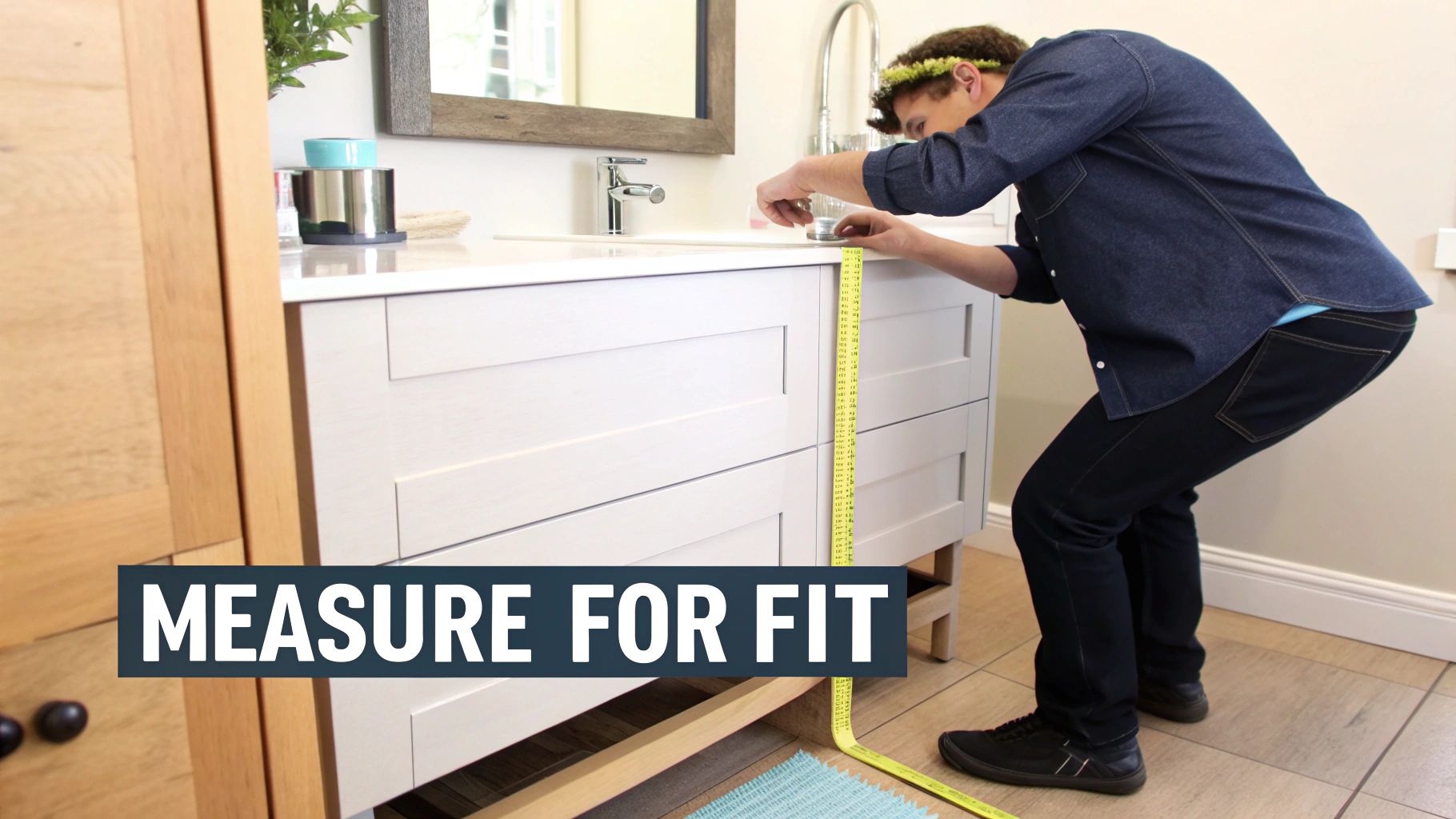
Before you commit to a design, take out your measuring tape. Mapping the bathroom's functional footprint is essential to ensure the final result feels spacious and intentional, not forced.
Mastering Your Bathroom Measurements
Begin by measuring the total wall space available for the vanity. However, a common oversight is failing to account for "clearance zones"—the necessary empty space required for functionality.
- Door and Drawer Swing: Ensure your bathroom and shower doors can open fully without hitting the vanity. For example, if a shower door swings outwards 60cm, your vanity must be positioned to allow for that full range of motion.
- Walkway Clearance: Maintain a clear path. We recommend a minimum of 76cm (30 inches) of open floor space in front of the vanity for comfortable movement.
- Toilet Proximity: Allow at least 38cm (15 inches) from the toilet's centreline to the side of the vanity. This standard ergonomic measurement prevents the space from feeling cramped.
These measurements define the maximum dimensions for your bath vanity cabinets, guiding you towards a size that enhances usability rather than hinders it.
Standard Vanity Sizes for Singapore Homes
With your maximum dimensions in hand, you can consider standard vanity widths suitable for typical HDB and condo layouts.
Here are common sizes that work well:
- 600mm to 750mm: Ideal for common bathrooms in HDB flats or powder rooms. They offer sufficient countertop space and storage for daily essentials without overwhelming a small room.
- 900mm to 1200mm: A versatile range for most master bathrooms, providing ample counter space, robust storage, and room for a generously sized sink.
From our experience with clients, we see a strong demand for vanities in the 60-90cm range for BTOs and smaller condos, driven by the need for space-efficient solutions. Larger master bathrooms in executive condominiums or landed properties often accommodate vanities of 120cm or more.
The Single vs Double Vanity Debate
For larger bathrooms, the choice between a single or double vanity is a frequent consideration. While a double vanity offers a touch of luxury, it's only practical if you have adequate space.
A double vanity requires a minimum width of 1500mm (60 inches) for comfortable use. Any less, and you'll sacrifice valuable counter space and find yourselves bumping elbows.
Before deciding, ask these practical questions:
- Do our morning routines overlap? If you and your partner rarely get ready simultaneously, a second sink may be unnecessary.
- Would we prefer more counter space? A single sink on a long vanity provides an expansive, uninterrupted surface for toiletries and styling tools.
- What is the plumbing cost? Adding a second sink requires additional plumbing work, which will increase your renovation budget.
In many situations, a well-designed single vanity with smart storage and a spacious countertop provides more practical value than a cramped double-sink arrangement. The goal is to choose a size that serves your actual routine.
Choosing Materials That Withstand Singapore's Climate
In Singapore, bathroom humidity is a constant challenge. This moisture puts fixtures to the test, and your bath vanity cabinets are on the front line. Selecting the right materials is a critical decision to prevent warping, mould, and delamination, ensuring your investment endures.
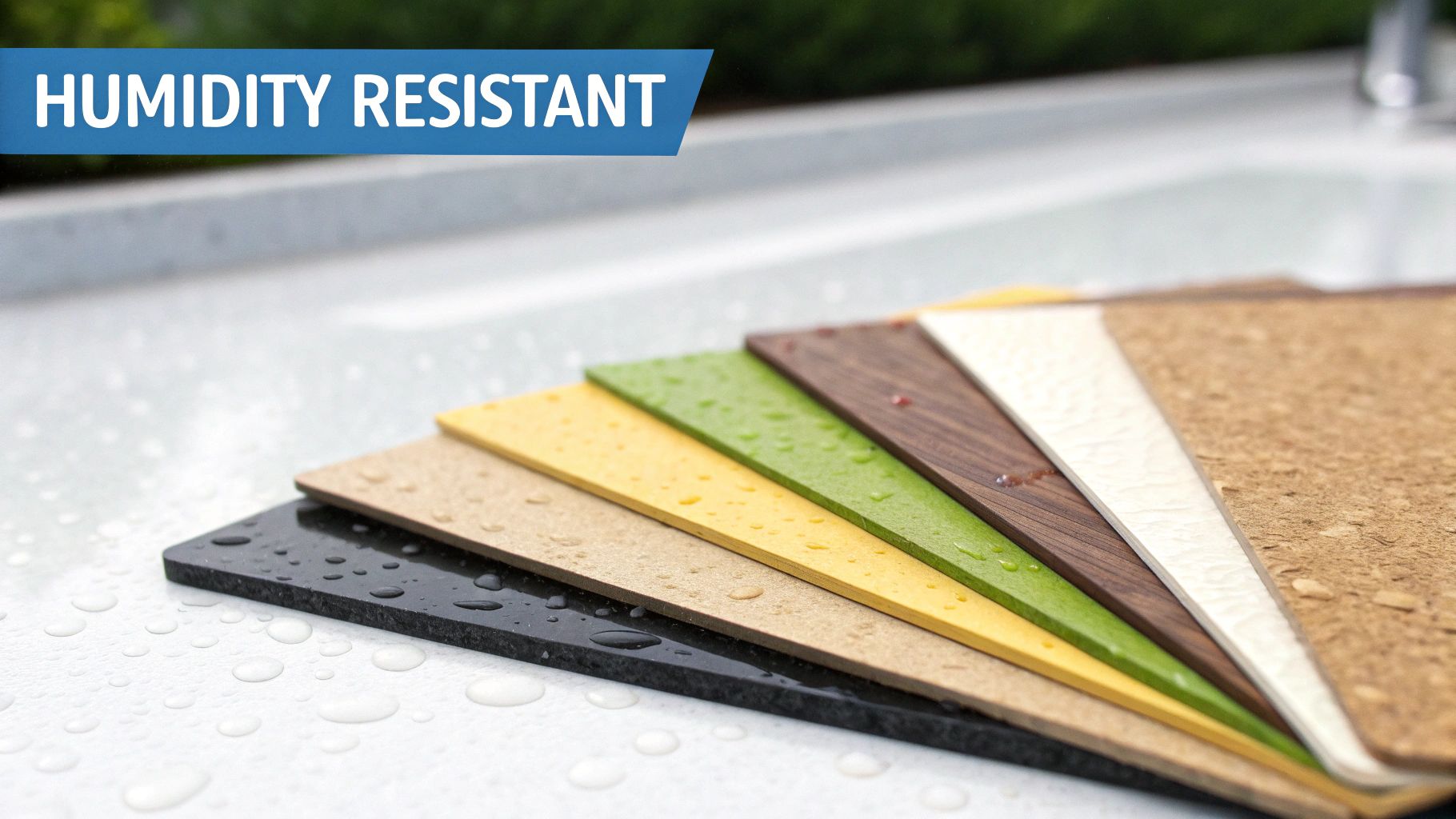
We have observed a clear trend among our clients: a shift towards materials engineered for performance in our tropical environment, not just for aesthetics. It's about a smart choice that combines durability with design.
The Best Cabinet Carcass Materials
The vanity's internal structure, or carcass, must be strong and highly moisture-resistant. While solid wood has a traditional appeal, it is prone to expanding and contracting in our climate, leading to cracks and warping.
Engineered woods are a superior choice for bathroom cabinetry in Singapore, offering stability in damp conditions.
Here are the top materials we recommend:
- Moisture-Resistant (MR) Plywood: This is our preferred material for most custom projects. It consists of multiple wood veneer layers bonded with water-resistant adhesive. Its cross-grain construction provides exceptional strength and resistance to swelling.
- Phenolic Plywood: For maximum water resistance, such as in a wet room or a bathroom with heavy water usage, phenolic plywood is the ultimate choice. It's treated with phenolic resins, making it virtually waterproof. It's more expensive but offers unparalleled durability.
The core material is more critical than the surface finish. A beautiful laminate on a standard particleboard carcass will fail quickly. A quality MR plywood base will ensure your vanity lasts for a decade or more.
Selecting Durable Countertop Surfaces
The countertop must be non-porous and easy to clean, as it endures daily exposure to water, soaps, and cosmetics.
While natural stones like marble are beautiful, they are porous and require significant maintenance, making them susceptible to stains and etching. For busy family bathrooms, we recommend high-performance materials that offer a similar look without the upkeep.
Comparing Popular Vanity Cabinet Materials
This comparison of common materials, weighing their pros and cons for Singapore's climate, can help simplify your decision.
| Material Type | Key Advantages | Potential Drawbacks | Ideal Application |
|---|---|---|---|
| MR Plywood | Excellent structural strength; superior resistance to warping and moisture. Holds screws and hardware securely over time. | Higher cost than MDF; surface isn't as smooth for painting. | The gold standard for custom vanity carcasses and high-use family bathrooms where longevity is key. |
| Phenolic Plywood | Virtually waterproof; extremely durable and resistant to rot and mould. The highest level of protection. | Highest cost among wood-based options; limited aesthetic finish options. | The ultimate choice for wet rooms or bathrooms with poor ventilation where moisture is a major concern. |
| Engineered Quartz | Non-porous, making it stain, scratch, and bacteria-resistant. Requires zero sealing and is incredibly durable. Wide range of colours. | Can be more expensive than other options; heat resistance is good but not absolute (not a major issue for bathrooms). | The top performer for any bathroom countertop, offering the look of natural stone without the maintenance worries. |
| Sintered Stone | Extremely durable, non-porous, and resistant to heat, scratches, and stains. Can mimic natural stone perfectly. | Can be more costly than quartz and requires specialised fabrication. | An excellent high-end choice for a luxurious, maintenance-free countertop that withstands heavy use. |
Choosing the right combination of carcass and countertop material is about balancing your aesthetic goals with the practical demands of a humid bathroom. For a deeper dive into materials that perform well in wet environments, you might find this ultimate guide to moisture-resistant options useful, as its principles apply to cabinetry too.
This focus on durable, premium materials aligns with broader market trends, as seen in data from sources like Singapore's cabinet market trends, which highlight a growing preference for high-performance engineered materials.
Wall Mounted vs Freestanding Vanities
The mounting style of your vanity is a defining choice that shapes the room's visual flow and functionality. The decision between a wall-mounted (floating) or freestanding design extends beyond aesthetics; it's about how you want the space to feel and function daily.
Each style has a distinct character, and the best choice depends on your space constraints and storage needs.
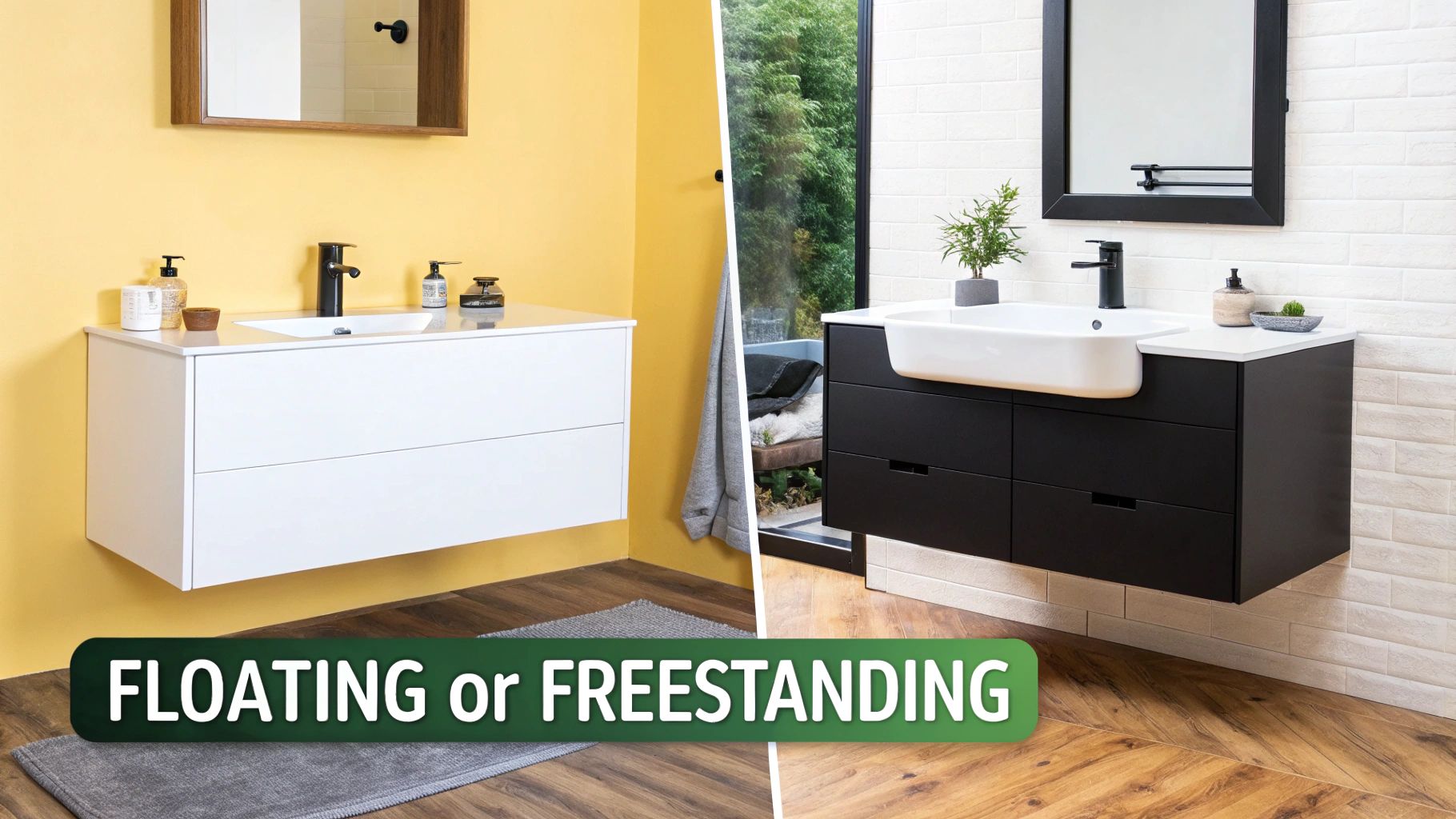
From our design projects, we've seen how these two options can completely transform a bathroom. Let's break down their key differences.
The Appeal of Wall-Mounted "Floating" Vanities
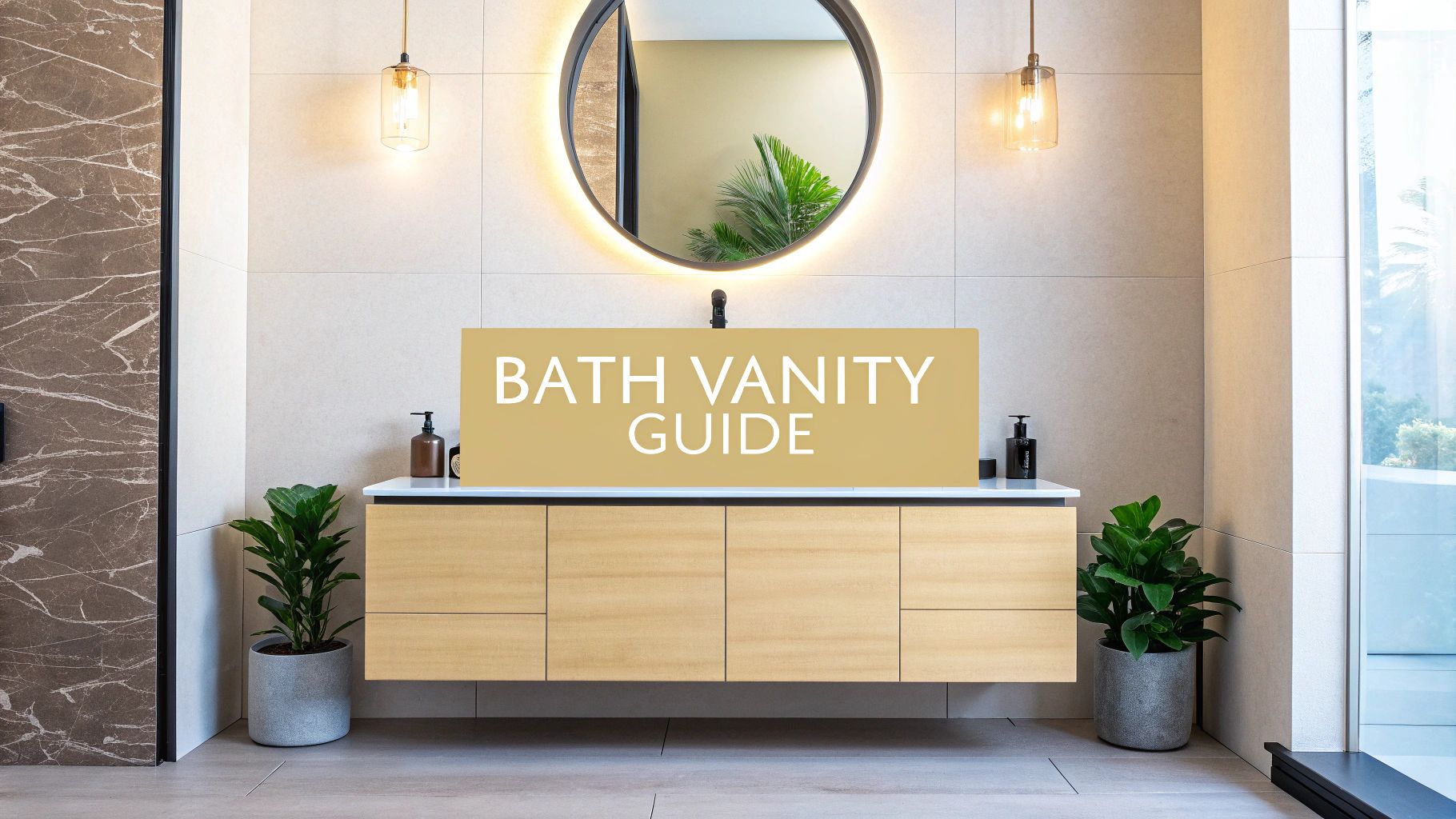
Wall-mounted vanities are a popular choice in Singapore's HDB flats and condominiums. By lifting the cabinet off the floor, you create an uninterrupted sightline that makes the room feel larger and more open—a valuable visual trick in compact spaces.
Practical benefits include:
- Effortless Cleaning: The clear floor space underneath makes cleaning simple, with no awkward corners for dust to accumulate.
- Flexible Height: You can install a floating vanity at a custom height, perfect for achieving an ergonomic fit for your family.
- Modern Aesthetic: This style is synonymous with contemporary, minimalist design, delivering a clean and uncluttered look.
The space-saving appeal of floating vanities is a significant market driver. Their suitability for compact urban homes, like new BTO flats with bathrooms as small as 2.5m x 1.5m, makes them a preferred choice.
The Power of Freestanding Vanities
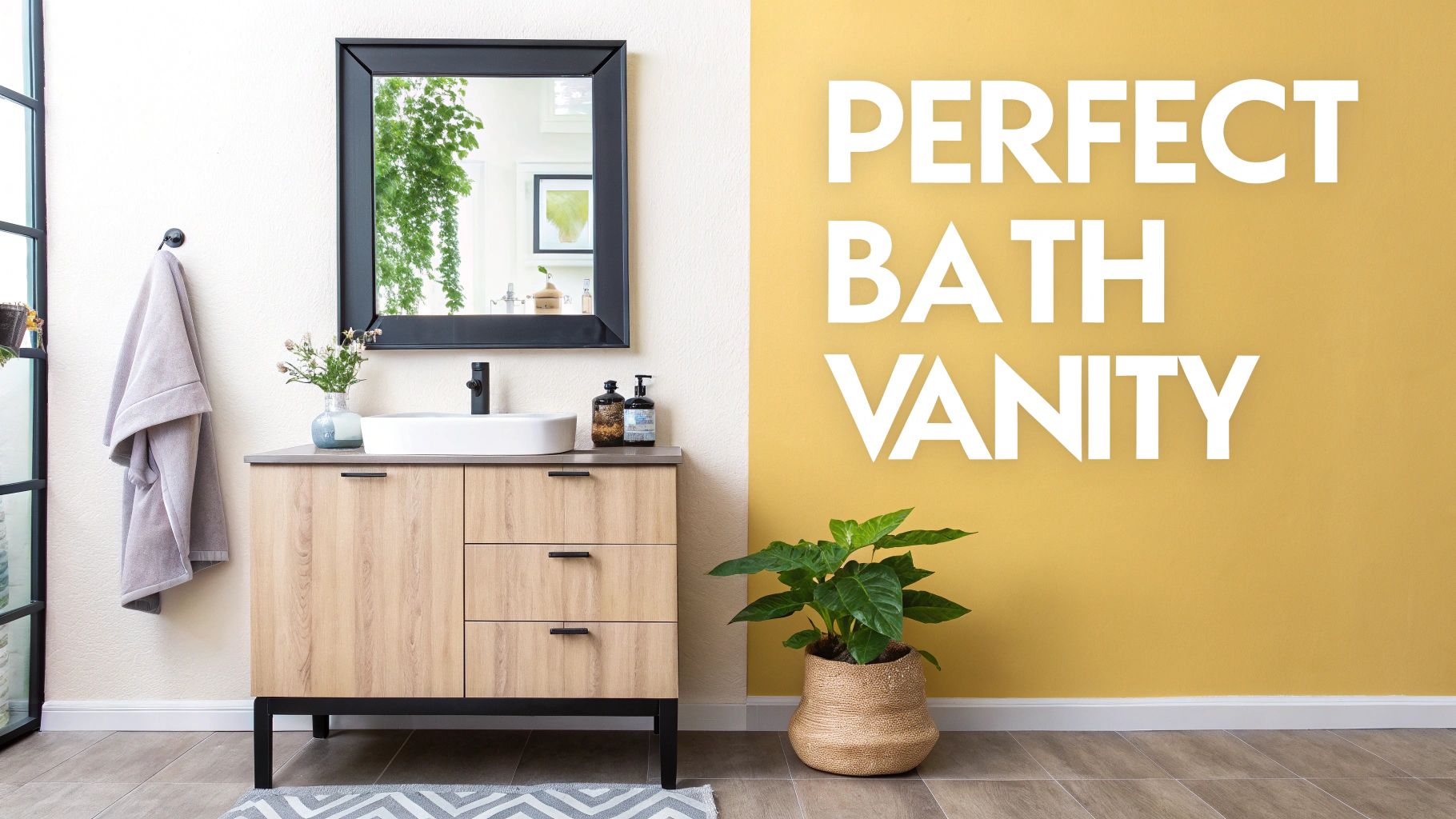
Freestanding vanities stand directly on the floor, resembling traditional furniture. They bring a sense of substance and permanence, often serving as a commanding focal point.
A freestanding vanity isn't just a cabinet; it's a statement piece. It can anchor the entire design of a larger bathroom, providing a focal point that is both beautiful and incredibly functional.
A freestanding vanity may be the right choice if you value these benefits:
- Maximum Storage: Extending to the floor, freestanding models typically offer more internal storage space, which is a major advantage for busy family bathrooms.
- Classic Presence: They are ideal for achieving timeless, modern luxury, or rustic aesthetics, often featuring furniture-like details such as crafted legs or decorative mouldings.
- Simplified Installation: Installation can be more straightforward as it doesn't require heavy-duty wall reinforcement to support the cabinet's weight.
Ultimately, choosing between these two styles of bath vanity cabinets is a balancing act. If your priority is creating an illusion of space with a sleek, modern look, a wall-mounted vanity is an excellent choice. If you need to maximise storage and want a strong, foundational design element, a freestanding model is a superb option.
Designing for Smarter Bathroom Storage
An exceptional bathroom vanity does more than just support a sink; it is the key to maintaining an organised space. A well-designed vanity supports your daily routine by preventing clutter before it starts, creating an efficient hub where everything has its designated place.
Our clients are increasingly focused on smarter, more thoughtful storage solutions rather than just maximising cabinet volume. The quality of the design is more important than the quantity of space.
Beyond the Basic Shelf
Standard cabinets with a single deep shelf often lead to disorganisation. Items get lost in the back, creating a jumbled mess. This is why we almost always recommend drawers over doors for bathroom vanities.
Deep drawers are a game-changer, allowing you to see everything at a glance. Customisation elevates their functionality further.
- Custom Dividers: We often design drawers with built-in dividers for cosmetics, skincare, and grooming tools. This keeps smaller items organised and accessible. For one project, we created a tiered divider specifically for a client's extensive makeup brush collection.
- U-Shaped Drawers: To work around plumbing, a U-shaped drawer maximises storage space directly under the sink, providing a perfect spot for cleaning supplies or taller bottles.
This tailored approach ensures that every inch of your bath vanity cabinets is used effectively.
The best storage solutions are those you don't have to think about. When a vanity is designed around your routine—with a spot for your hairdryer next to an outlet and a dedicated tray for daily skincare—it removes friction from your day.
Integrating Functionality Seamlessly
Smarter storage involves building modern conveniences directly into the cabinet to maintain a clean aesthetic while enhancing functionality.
A highly requested feature is hidden power. We design vanities with integrated power outlets inside a drawer or cabinet, allowing you to keep electric shavers, toothbrushes, and styling tools plugged in but out of sight. For example, a "hot tools" drawer lined with a heat-resistant material allows you to store a hairdryer or straightener immediately after use.
Another practical solution is an integrated laundry hamper. A tilt-out cabinet door can conceal a removable hamper, providing a discreet place for used towels and clothes—a valuable feature in HDB and condo bathrooms where floor space is limited.
The Right Hardware Makes All the Difference
Hardware is a detail that significantly impacts the daily user experience. It affects the feel, sound, and longevity of your vanity.
We always specify high-quality, soft-close drawer slides and hinges. This upgrade prevents slamming, reduces wear and tear, and adds a touch of quiet luxury. The smooth, silent operation enhances the overall feel of your bathroom, reinforcing a sense of thoughtful design.
Custom Carpentry vs Off-the-Shelf Vanities
A key decision in your bathroom renovation is choosing between a ready-made vanity and a custom-built piece. This choice impacts your budget, timeline, and the final aesthetic. Both options have their advantages, and the right path depends on your project's specific requirements.
Off-the-shelf vanities are excellent for speed and cost-effectiveness in standard bathroom layouts. If you are on a tight schedule or budget, a ready-made unit can provide a stylish and functional solution without the lead time of custom work.
However, for non-standard spaces or a unique design vision, custom carpentry is the superior choice. This is our area of expertise—crafting bath vanity cabinets built from the ground up to perfectly fit your home and lifestyle.
The Value of a Bespoke Vanity
Customisation frees you from the limitations of standard sizes and designs. For awkward alcoves, unusual room shapes, or a specific aesthetic, a custom vanity provides a solution that feels integral to your home's architecture.
The benefits of a custom approach include:
- A Perfect Fit: The vanity is built to the exact millimetre of your space, eliminating gaps and maximising utility.
- Material Selection: You can select high-quality, moisture-resistant materials for every component, ensuring longevity.
- Tailored Storage: The interior is designed around your specific needs, whether that means custom drawer dividers, hidden power outlets, or an integrated laundry hamper.
A custom vanity cabinet is more than just furniture; it's a piece of functional art designed for your daily routine. It solves specific problems and elevates the entire bathroom by reflecting a cohesive and intentional design language.
Comparing Your Options Side by Side
An off-the-shelf vanity is like buying a suit from a department store—it’s quick and often looks great. A custom vanity is like visiting a tailor—the fit is impeccable, you choose the fabric, and every detail is finished to your exact specifications. For unique layouts or specific design goals, exploring bespoke furniture design offers solutions that ready-made pieces cannot match.
Here’s a practical breakdown to help you decide:
| Factor | Off-the-Shelf Vanity | Custom Carpentry Vanity |
|---|---|---|
| Cost | Generally more budget-friendly. Prices are fixed and transparent upfront. | A higher initial investment due to skilled labour and premium materials. |
| Timeline | Can be delivered and installed within days or weeks, ideal for quick projects. | Typically requires 4-8 weeks from design approval to final installation. |
| Fit and Size | Limited to standard industry sizes, which may not fit non-standard spaces perfectly. | Made to measure, ensuring a perfect fit for any bathroom layout, no matter how unusual. |
| Design Control | You are limited to the manufacturer's available styles, finishes, and hardware. | You have complete creative control over materials, style, colour, and hardware. |
| Functionality | Storage options are generic and may not align with your specific organisational needs. | Storage is designed around your personal items and routine for maximum efficiency. |
Your choice depends on your priorities. If speed and affordability are paramount, an off-the-shelf unit is a solid option. However, if you seek a perfect fit, a unique design, and superior functionality that will last, investing in a custom bath vanity cabinet offers unmatched value.
Answering Your Top Questions About Bath Vanity Cabinets
To conclude, let's address some of the most common questions our clients ask when selecting a new vanity. This final checklist will help you feel confident in your decision.
These practical details often arise during the design phase, and having the answers now will ensure your bathroom serves you well for years.
How Long Should a Bath Vanity Last?
The lifespan of a vanity depends heavily on its materials and construction quality. An off-the-shelf unit made from standard particleboard may last only 5 to 10 years in Singapore's humidity before showing signs of swelling or peeling.
In contrast, a custom-built vanity is a long-term investment. When constructed with high-quality materials like moisture-resistant or phenolic plywood and topped with durable quartz, it is designed to last 15 to 20 years or more. Proper bathroom ventilation and regular care are essential to maximise its lifespan.
What Is the Best Height for a Vanity Cabinet?
Standard vanity heights have evolved. While 32 inches was once the norm, "comfort height" vanities, standing between 34 and 36 inches tall, are now more common for master and common bathrooms.
This taller height is more ergonomic for most adults, reducing the need to bend over when using the sink. For a family with varying heights or for a children's bathroom, a custom vanity allows you to set the height at a level that is perfect for everyone.
Can I Install a Vanity Cabinet Myself?
While a seasoned DIY enthusiast with the right tools may be able to install an off-the-shelf vanity, we generally advise against it for most homeowners. Installation involves more than just attaching a cabinet to the wall.
Professional installation ensures the vanity is perfectly level and securely mounted—which is critical for floating models—and that all plumbing is connected and sealed correctly. An improper installation can lead to issues like a wobbly cabinet or slow water leaks that can cause significant damage over time. Hiring a professional provides peace of mind and protects your investment.
Ready to create a bathroom that perfectly balances style and function? The team at KIVO has decades of experience in bespoke carpentry and interior design. We specialise in crafting custom bath vanity cabinets that are built to last and tailored to your exact needs.