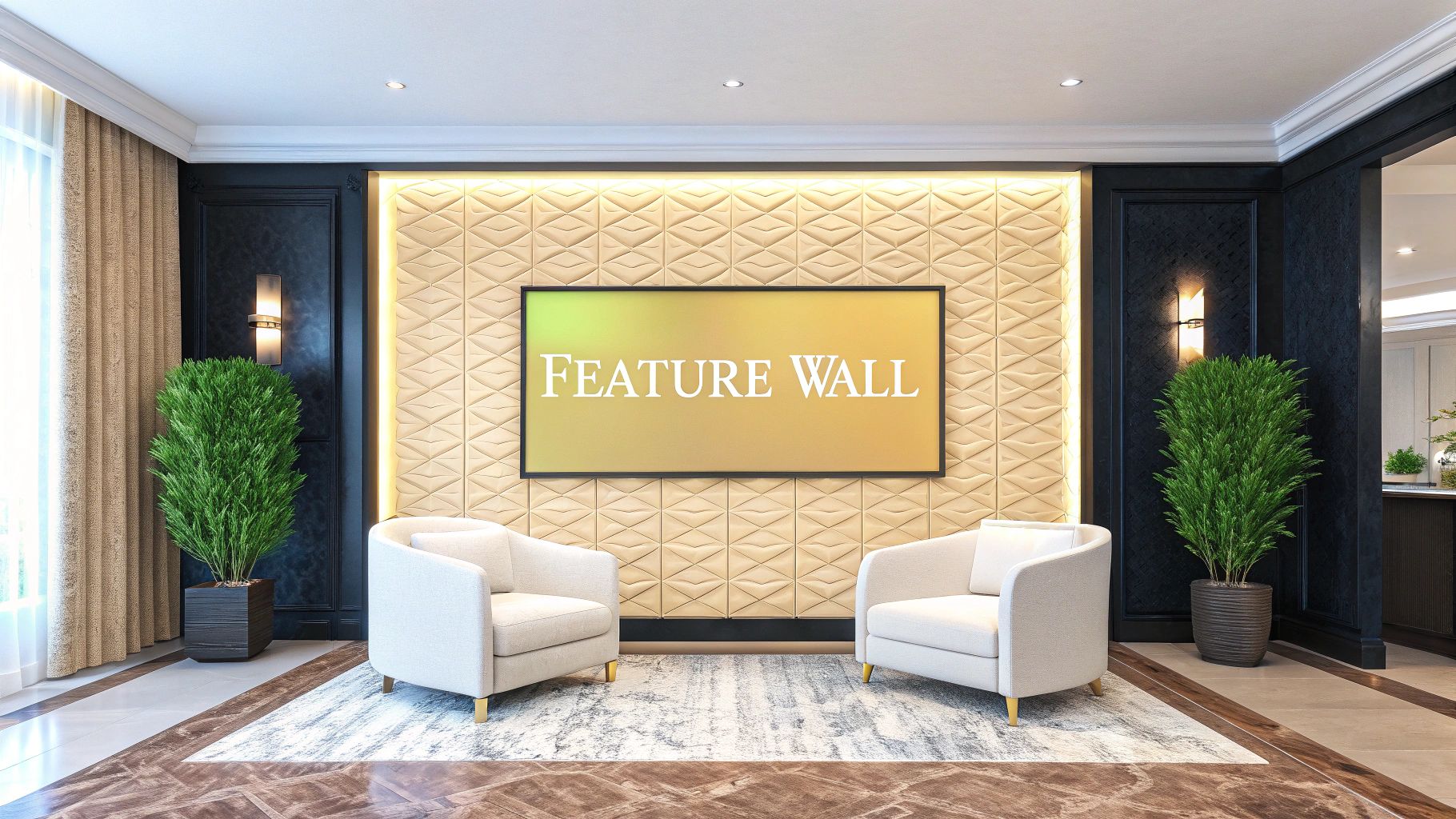
A design feature wall is more than just a splash of contrasting paint. It's a strategic design element that acts as a room's focal point. It’s the surface that draws you in, using a deliberate choice of colour, texture, or material to anchor your furniture, define a specific zone, and set the mood for the entire space.
Step 1: Define Your Feature Wall's Purpose
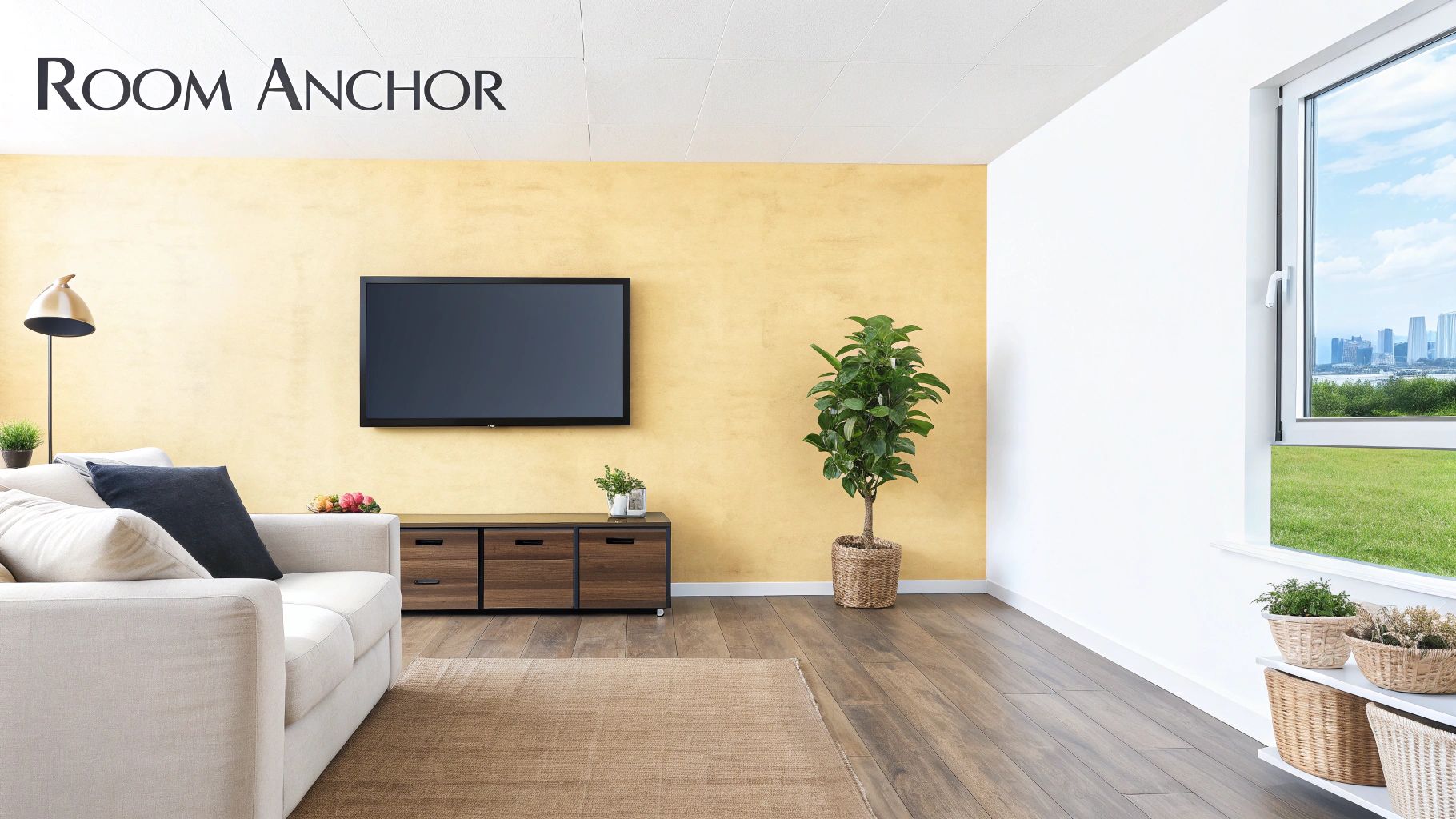
Before picking materials or colours, the first practical step is to define why you want a feature wall. A feature wall without a clear purpose can feel random and disconnected. The most successful projects we handle always start with one simple question: What do we want this wall to achieve?
The answer drives every other decision.
- Is the goal to create a cosy TV area in a large living room? A dark, textured wall behind the console can achieve this by visually receding, making the screen pop and the area feel more intimate.
- Is its job to make a compact HDB bedroom feel taller? Vertically oriented fluted panels can create the illusion of height.
- Do you need to add warmth to a minimalist space? A limewash finish in an earthy tone can soften the room's hard edges.
When you pinpoint its function, the feature wall becomes a strategic design tool.
Identifying the Right Wall
Choosing which wall to highlight is critical. A good rule of thumb is to pick the wall you see first when you enter a room. For maximum impact, a solid wall—one without doors or windows—provides an uninterrupted canvas.
- Practical Example (Bedroom): The wall behind the headboard is a classic choice. It instantly anchors the bed, which is the room's most important piece of furniture, creating a clear focal point.
- Practical Example (Living Room): The wall behind the sofa or media console is usually best. It grounds the main seating or entertainment area, making the entire layout feel more intentional.
Assessing the Room's Dynamics
Take a moment to consider the room's unique conditions. How does natural light hit your chosen wall throughout the day? A wall that gets direct morning sun might wash out a subtle texture, while a darker corner could be the perfect spot for a moody, dramatic finish highlighted with artificial lighting.
Also, think about foot traffic. A feature wall in a high-traffic hallway needs a durable material like microcement or laminate panels. A wall in a quiet study, however, can handle a more delicate finish like Venetian plaster. The goal is to choose a location where the design feature wall is both beautiful and practical for your lifestyle.
A well-planned feature wall doesn't just decorate; it completes a room. It should feel like an intentional architectural element that provides balance, directs focus, and enhances the entire space's functionality.
Defining the purpose from the start ensures your investment adds genuine value and prevents costly mistakes.
Step 2: Choose Materials and Textures for a Modern Look
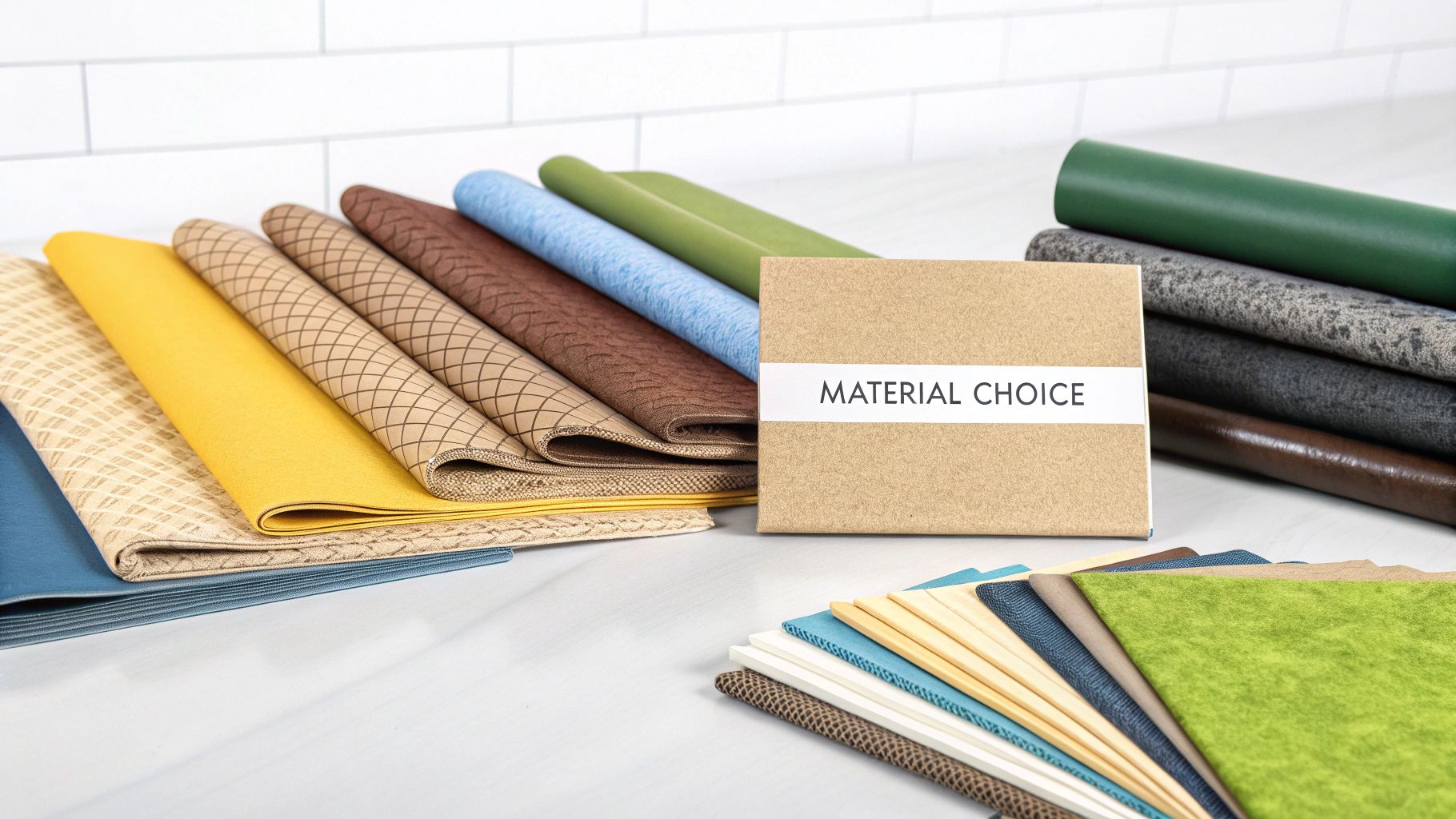
The right material transforms a feature wall from a simple accent into the soul of a room. While a bold paint colour has its place, the real interest in Singaporean interiors right now is in tactile surfaces—walls that add a layer of sensory depth that paint alone cannot match.
Based on our client requests, homeowners are moving away from flat, flawless surfaces and embracing artisanal finishes that tell a story. This move towards texture reflects a desire for homes that feel warm, authentic, and personal.
From Sleek Industrial to Warm Organic
Two powerful aesthetics are currently defining modern feature walls in Singapore. On one end is the raw, seamless appeal of microcement. This thin coating creates a cool, industrial vibe similar to polished concrete but with more versatility. It's incredibly tough and provides a minimalist backdrop that makes furniture and art the heroes of the space.
On the other end is the soft, earthy warmth of finishes like limewash and Venetian plaster. We've seen a huge rise in their popularity. These materials deliver warm, beautifully imperfect surfaces that are at the heart of the wabi-sabi aesthetic. You can see more on how these preferences are shaping interior trends in Singaporean homes.
The beauty of these plaster-style finishes lies in their imperfection. The subtle shifts in colour and texture create a soft, almost cloud-like effect that makes a room feel instantly calming and sophisticated.
To help you decide, here’s a quick comparison of popular choices.
Comparing Popular Feature Wall Materials
| Material | Key Aesthetic | Best For | Maintenance Level |
|---|---|---|---|
| Microcement | Sleek, industrial, seamless | Minimalist living rooms, bathrooms, high-traffic areas | Low to Medium |
| Limewash | Matte, chalky, organic | Bedrooms, cosy living areas, spaces wanting a soft touch | Medium |
| Venetian Plaster | Polished, layered, lustrous | Formal living rooms, master bedrooms, entryways | Medium to High |
| Fluted Panels | Rhythmic, structured, modern | TV consoles, bed headboards, home offices | Low |
| Natural Stone | Timeless, luxurious, bold | Grand living spaces, fireplace surrounds, statement walls | High |
Each material offers a different personality, so the choice comes down to the mood you want to create.
Adding Rhythm and Luxury with Panels and Stone
Beyond plaster-style finishes, structured materials can create a standout design feature wall. Fluted panels—whether wood, composite, or upholstered—introduce a beautiful sense of rhythm. Their vertical lines cleverly draw the eye upward, giving the illusion of higher ceilings, while the interplay of light and shadow across the grooves adds dynamic visual interest.
For a touch of timeless luxury, nothing beats natural stone. Materials like marble or travertine bring organic patterns and a connection to the earth that can't be replicated. While a significant investment, a stone feature wall becomes a permanent piece of art that defines the character of your home for decades.
Here are a few questions to help you make the final call:
- What is the functional goal? A sleek, minimalist vibe or something softer and more organic?
- How will the room be used? Does the wall need to withstand daily wear and tear, or is it in a low-contact spot?
- How will light interact with it? A glossy Venetian plaster will bounce light, brightening a room, while a matte limewash will absorb it for a softer glow.
The best material is one that not only looks stunning but feels right for your home and lifestyle.
Step 3: Master Your Colour Palette and Lighting
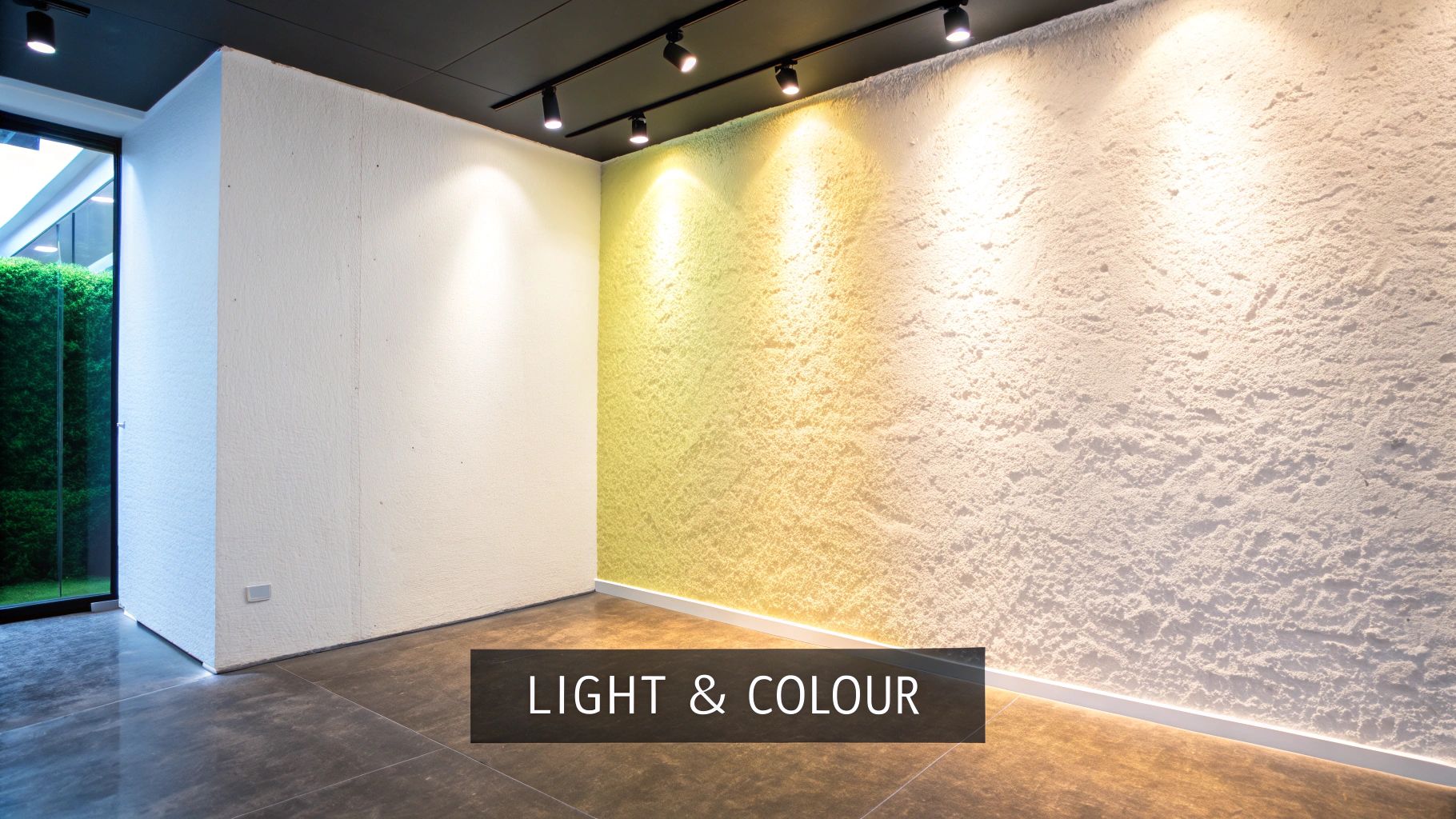
A material's personality comes alive with colour and light. These two elements work as a team to set the mood, and they can either dial up the drama or soften the feel of your design feature wall.
The colour you pick needs to connect to the room's story. A dark, moody tone—like deep charcoal or rich navy—can transform a plain wall into a dramatic, cosy retreat. It's a perfect strategy for a media wall or to create intimacy behind a bed. Conversely, a light, earthy shade can make a room feel bigger and brighter. We often use soft greiges or warm off-whites for textured finishes like limewash to create a serene, calming vibe.
Selecting Your Palette with Purpose
Your feature wall's colour cannot be a standalone decision. It must connect with other elements in the room, from the flooring to the sofa upholstery.
A simple technique is to pull colours from an existing piece you love, like a work of art, a rug, or a statement cushion. This ensures the new colour feels integrated. For example, a deep forest green feature wall can pick up on subtle green veining in a marble coffee table, tying the whole room together.
Here are a few practical colour strategies:
- Monochromatic: Choose a colour that’s a few shades darker than your other walls for a subtle, sophisticated contrast that adds depth without being overwhelming.
- Analogous: Select a colour adjacent to your main room colour on the colour wheel. If your room has beige walls, an earthy terracotta feature wall introduces warmth and harmony.
- Complementary: For a bolder look, pick a colour from the opposite side of the colour wheel. A deep blue feature wall in a room with warm wood tones creates a dynamic yet balanced look.
The Critical Role of Strategic Lighting
Lighting gives your feature wall its soul, especially after dark. Poor lighting flattens textures and makes even luxurious materials look bland. Strategic lighting, however, highlights every groove, contour, and subtle shift in tone.
A common mistake is relying only on general ceiling lights, which cast harsh shadows. The secret is to layer your lighting, using dedicated fixtures to "wash" the feature wall in a soft, intentional glow.
- Practical Example (Cove Lighting): Installing concealed LED strips along the ceiling edge casts a gorgeous grazing light down the wall, which is perfect for accentuating the texture of fluted panels or Venetian plaster.
- Practical Example (Track Lights): Adjustable track lights allow you to aim beams precisely, creating pockets of light and shadow that add drama and highlight specific areas of the texture.
Elegant wall sconces can also frame the wall beautifully, casting a gentle, welcoming light. The goal is to ensure your feature wall remains a captivating focal point, day and night.
Step 4: Consider Bringing Nature Indoors with Biophilic Design
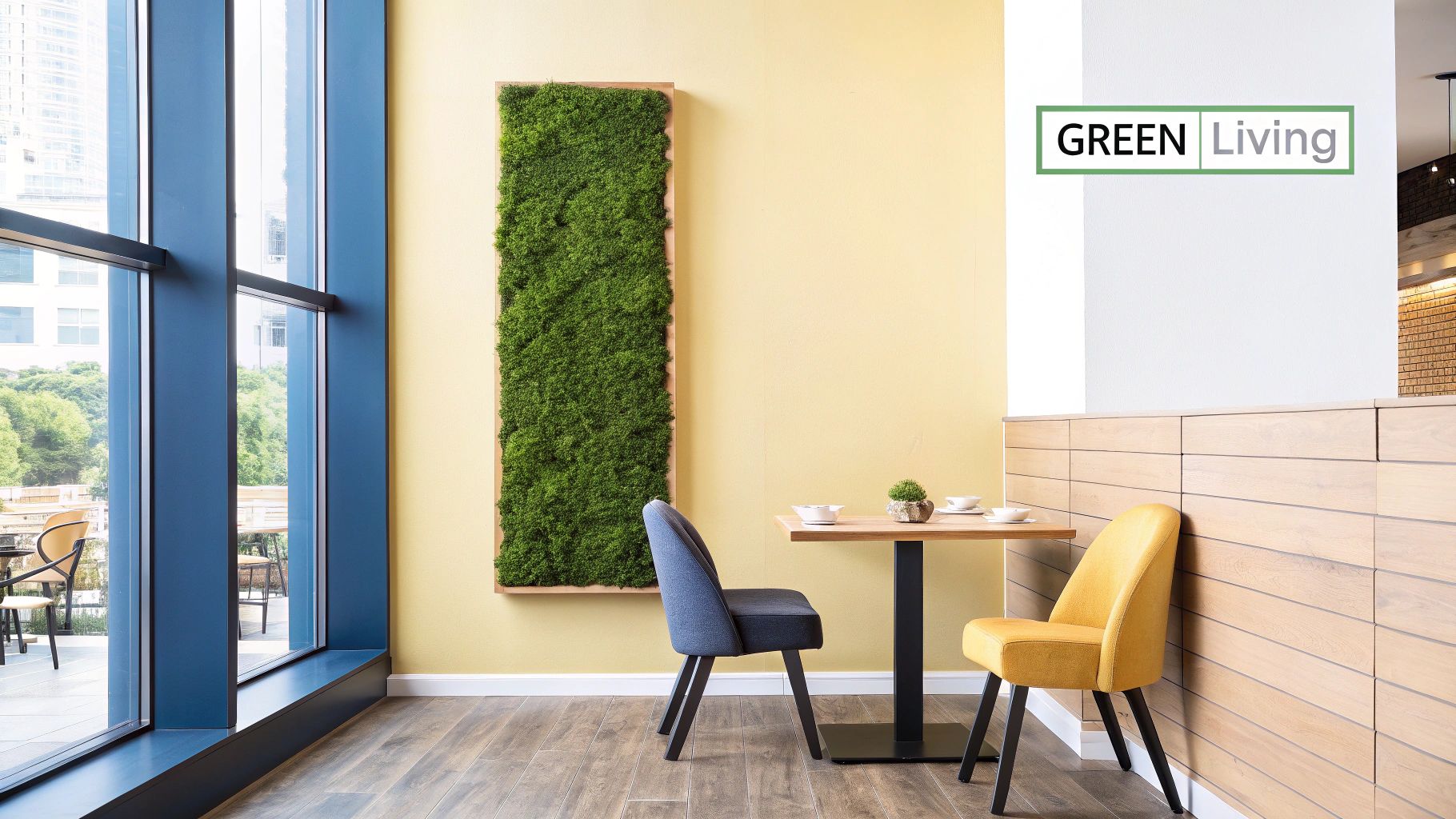
In a bustling city like Singapore, we often crave a stronger connection to nature. Biophilic design addresses this by forging a genuine link to the natural world. A design feature wall is a perfect canvas for this concept, turning a plain surface into a living, breathing installation.
We've seen a significant increase in client requests for green or preserved moss walls. These are more than just visual statements; they introduce a living element that shifts a room's atmosphere, creating an immediate sense of calm. Biophilic design is becoming a staple in Singapore's urban homes, and these vertical gardens don't just look incredible; they can also improve indoor air quality. For more insights, you can explore information on biophilic designs in Singapore on mosscape.com.sg.
Living Walls vs. Preserved Moss
When considering a green feature wall, you have two main options, each with practical considerations.
- Living Green Walls: These are dynamic, vertical gardens with soil and irrigation. They offer the full benefits of living plants, like air purification. However, they require significant planning for weight and moisture management, plus regular maintenance (watering, trimming).
- Preserved Moss Walls: This is the beautiful, zero-maintenance alternative. Real moss is sustainably harvested and preserved to keep it soft and vibrant without needing soil, water, or sunlight. You get the stunning visual and acoustic benefits without the ongoing upkeep.
A preserved moss wall is a fantastic choice for busy homeowners who want the aesthetic of a green wall without the commitment. It’s a static piece of natural art that stays beautiful for years.
Practical Considerations for Installation
A biophilic feature wall requires careful planning. For a living wall, we must factor in proper waterproofing and an integrated, often automated, irrigation system. The wall's structural integrity is a major concern, as a saturated living wall can be very heavy.
Lighting is another crucial element. Preserved moss does not need light. Living green walls, however, require specific light conditions to thrive. This often means installing specialised grow lights that provide the right spectrum and intensity, especially in rooms without sufficient natural sunlight.
A biophilic feature wall is more than a decorative choice; it's an investment in your well-being, creating a healthier, more peaceful home environment.
Step 5: Plan Your Budget Realistically
A stunning feature wall is an investment that adds tangible value and enhances your daily life. The most critical step is understanding the costs involved. This allows you to align your design vision with a realistic budget, avoiding surprises down the road.
The final cost for a design feature wall varies widely based on two main factors: materials and the labour required for installation. A simple limewash finish can be relatively budget-friendly, while cladding a wall in natural marble is a significant financial commitment. The key is finding the balance where your vision and budget meet.
Breaking Down the Costs
To plan effectively, you must look beyond the material price. Here's what a complete budget should include:
- Material Costs: Calculated per square foot or per panel. High-end fluted panels or artisanal plasters will have a higher upfront cost than paint.
- Labour Charges: This reflects the complexity of the design. Specialised finishes like Venetian plaster or microcement demand skilled artisans, and their expertise is a crucial part of the cost.
- Prep Work: Never overlook preparation. Your wall might need skimming, patching, or a special primer before installation can begin. This foundational work is essential for a professional, long-lasting result.
The biggest budgeting mistake is underestimating labour costs for artisanal finishes. You aren't just buying a product; you're investing in craftsmanship to bring a complex texture or pattern to life.
The Singapore Market Context
Understanding the local market is crucial. In Singapore, the demand for personalised interiors has driven up the cost and lead times for sought-after materials, especially those imported from Europe or Japan.
The home décor market in Singapore is growing, with forecasts suggesting it could reach around US$345 million in 2025. This indicates that homeowners are willing to invest in quality improvements. You can read more about Singapore's home décor market trends.
What this means for you is that planning ahead is essential. Securing unique materials and booking top tradespeople often requires lead time. By insisting on a detailed, transparent quote that itemises every cost, you can proceed with confidence, knowing you’re making a smart investment in your home.
Your Feature Wall Questions, Answered
Starting a feature wall project is exciting, but it often comes with questions. Based on common queries from homeowners, here are some actionable answers to help you move forward confidently.
Which Wall Should I Choose for My Feature?
The best wall is almost always the one you see first when you enter a room—the natural focal point. Think about the wall behind your sofa or the one your headboard rests against. These are prime candidates because they anchor the room's main purpose. For the strongest impact, a solid wall without windows or doors provides an uninterrupted canvas. Consider the room's layout and how you use it daily; a feature wall should enhance the space, not compete with it.
Are Feature Walls Still in Style in Singapore?
Yes, but they have evolved. The trend of simply painting one wall a loud colour has been replaced by a more refined approach focused on texture, depth, and character. Based on our projects, the modern feature wall whispers luxury rather than shouts for attention.
Popular material choices today include:
- Limewash: For a soft, organic feel.
- Fluted Panels: To add rhythmic, linear patterns and height.
- Microcement: For a sleek, contemporary look.
- Venetian Plaster: To create a lustrous surface with incredible depth.
These materials transform a wall into a curated architectural element that feels both intentional and timeless.
How Do I Maintain a Textured Feature Wall?
Maintenance depends on the material. Microcement is durable and easy to clean with a damp cloth. Finishes like limewash are more delicate and are best maintained with gentle dusting to preserve their matte surface. For any specialised material, we provide clear care instructions from the manufacturer to ensure your design feature wall stays in pristine condition. A good rule is to match the material's durability to the room's function—a high-traffic hallway needs a robust finish, while a quiet bedroom can accommodate something more delicate.
Can a Feature Wall Work in a Small HDB Flat?
Absolutely. In fact, a feature wall can be a small space's best friend. When designed thoughtfully, it can make a room feel larger and more organised. The trick is to avoid overwhelming the space. Using vertical elements like fluted panels is a fantastic strategy for HDB flats, as it draws the eye upward, creating an illusion of height. Similarly, opting for a lighter-coloured textured material, such as an off-white limewash, adds visual interest without making the room feel closed-in. It’s about strategic design that adds personality without sacrificing the sense of space.
Ready to create a feature wall that transforms your home? At KIVO, our team of experienced designers and artisan carpenters specialises in bringing unique visions to life with exceptional craftsmanship. Let us help you design a space that is truly yours.