Embarking on a kitchen cabinet remodel in a Singapore home involves navigating five stages—planning, budgeting, design selection, carpentry work and final handover. Treat each phase as a project milestone with clear deliverables. Use a simple Gantt chart or project app (e.g., Trello or Asana) to assign tasks, set deadlines and track progress in real time.
Navigating Kitchen Cabinet Remodel Basics
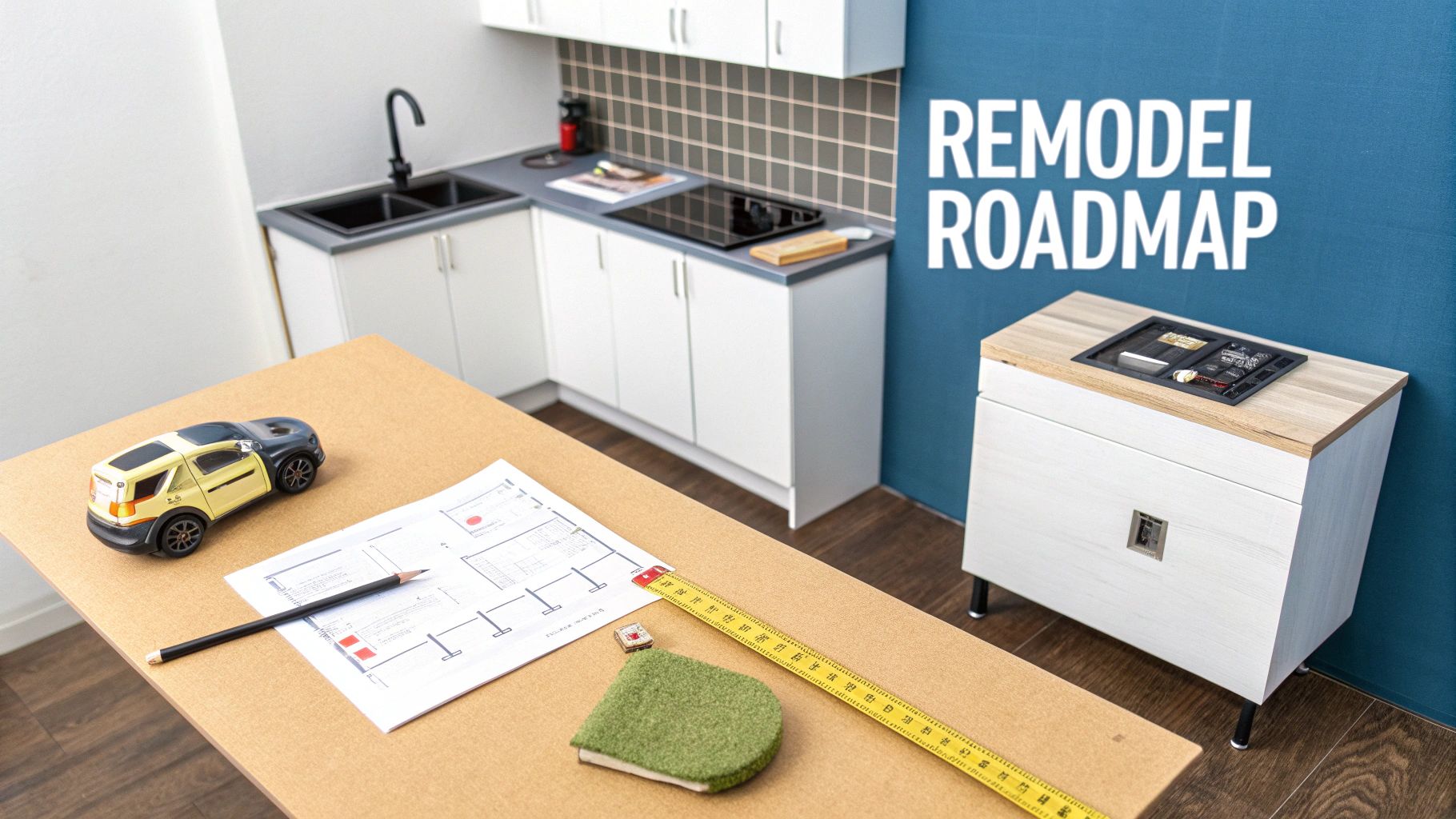
A kitchen remodel kicks off by defining the scope and wraps up with a polished reveal. Break it into smaller checkpoints to avoid scope creep and hidden costs.
Key Phases Compared
| Phase | Estimated Duration | Cost Range | Key Decision |
|---|---|---|---|
| Planning | 1–2 Weeks | S$0–S$800 | Scope and layout |
| Budgeting | 1 Week | S$10,000–S$25,000 | Material and finish selection |
| Design | 2–3 Weeks | S$1,500–S$4,000 | Cabinet style and hardware |
| Carpentry | 3–4 Weeks | S$5,000–S$15,000 | Joinery details and quality |
| Handover | 1–2 Days | S$0–S$500 | Final inspection and cleaning |
- Action item: Upload these durations and costs into a shared spreadsheet to keep your team aligned.
- Example: A Punggol client shifted their sink by 15 cm and gained space for a slim pull-out pantry—unlocking 30% more storage.
- Pro tip: Lock in laminated finishes early and negotiate a 15% material discount.
Real Homeowner Action Steps
- Define scope and sign off on drawings to prevent change-order fees.
- Bulk-order materials once designs are approved to secure volume pricing.
- Review 3D sketches and annotate revisions before carpentry starts.
- Schedule handover with a built-in buffer for snag-list resolution.
Pre-Start Checklist
- Inspect existing cabinet frames and doors for hidden repairs.
- Test finish samples (laminate, veneer, paint) in your kitchen’s morning and evening light.
- Confirm any HDB permit requirements for structural changes.
- Pad lead times by two weeks to accommodate custom joinery delays.
Treat your remodel like a sprint plan: set clear start/end dates for each phase and hold weekly check-ins with your contractor.
Defining Your Scope And Setting A Budget
Think of your budget as the command center for an HDB kitchen cabinet makeover. Nail down your scope at the outset to avoid costly detours.
Recognising Major Cost Drivers
List the top five expenses early:
- Custom cabinetry complexity and core materials
- Quartz countertop slabs, fabrication and delivery
- Electrical upgrades (under-cabinet lighting circuits)
- Plumbing reroutes around sinks or islands
- Installation premiums and HDB permit charges
Example: Choosing a raised-panel door profile can add 15% to labour time and bump your total spend.
In Singapore’s market—where 90% own HDB flats—kitchen revamps deliver strong ROI. A 4-room project typically runs S$10,000–S$20,000; 5-room jobs may reach S$12,000–S$25,000, with 70–85% resale uplift. See local pricing from RenovationContractorSingapore.
Tracking Hidden Fees And Premium Allowances
Add these as line items to prevent surprises:
- HDB permit application fees (S$100–S$300)
- Waste disposal and skip hire (S$200–S$400)
- Delivery surcharges for oversize quartz slabs (S$150–S$250)
- Emergency repairs if old cabinets fail inspection
Allocate a 5–8% contingency for design tweaks or unforeseen issues. This buffer makes contractor negotiations more transparent.
Estimating Costs By Flat Type
| Flat Type | Cabinet Cost Range | Hidden Fees | Expected ROI |
|---|---|---|---|
| 4-Room HDB | S$10,000 – S$20,000 | S$1,000 – S$2,000 | 70–85% |
| 5-Room HDB | S$12,000 – S$25,000 | S$1,200 – S$2,500 | 70–85% |
Use this table in your budget worksheet to set realistic allowances from the start.
Using A Budget Worksheet For Clarity
- Enter base estimates for cabinetry, countertops, electrical and plumbing.
- List fixed fees such as HDB permits and installation premiums.
- Allocate 10–15% contingency for upgrades.
- Compare totals against your maximum budget and adjust scope as needed.
Action: Share the spreadsheet with your contractor and update weekly to turn guesswork into a negotiation tool.
Negotiating With Contractors
- Request itemised rates per cabinet door, drawer and hardware.
- Confirm permit and labour costs are clearly broken out.
- Clarify warranty terms on workmanship and materials.
Best Practices To Avoid Overspending
- Collect at least three quotes to identify outliers.
- Bundle material orders for volume discounts.
- Focus premium finishes on high-traffic zones (sink, stove).
- Update your budget worksheet weekly.
- Build in lead-time buffers for custom joinery.
With clear scope limits and disciplined tracking, your kitchen cabinet remodel will stay on budget and on schedule.
Choosing Cabinet Styles And Materials
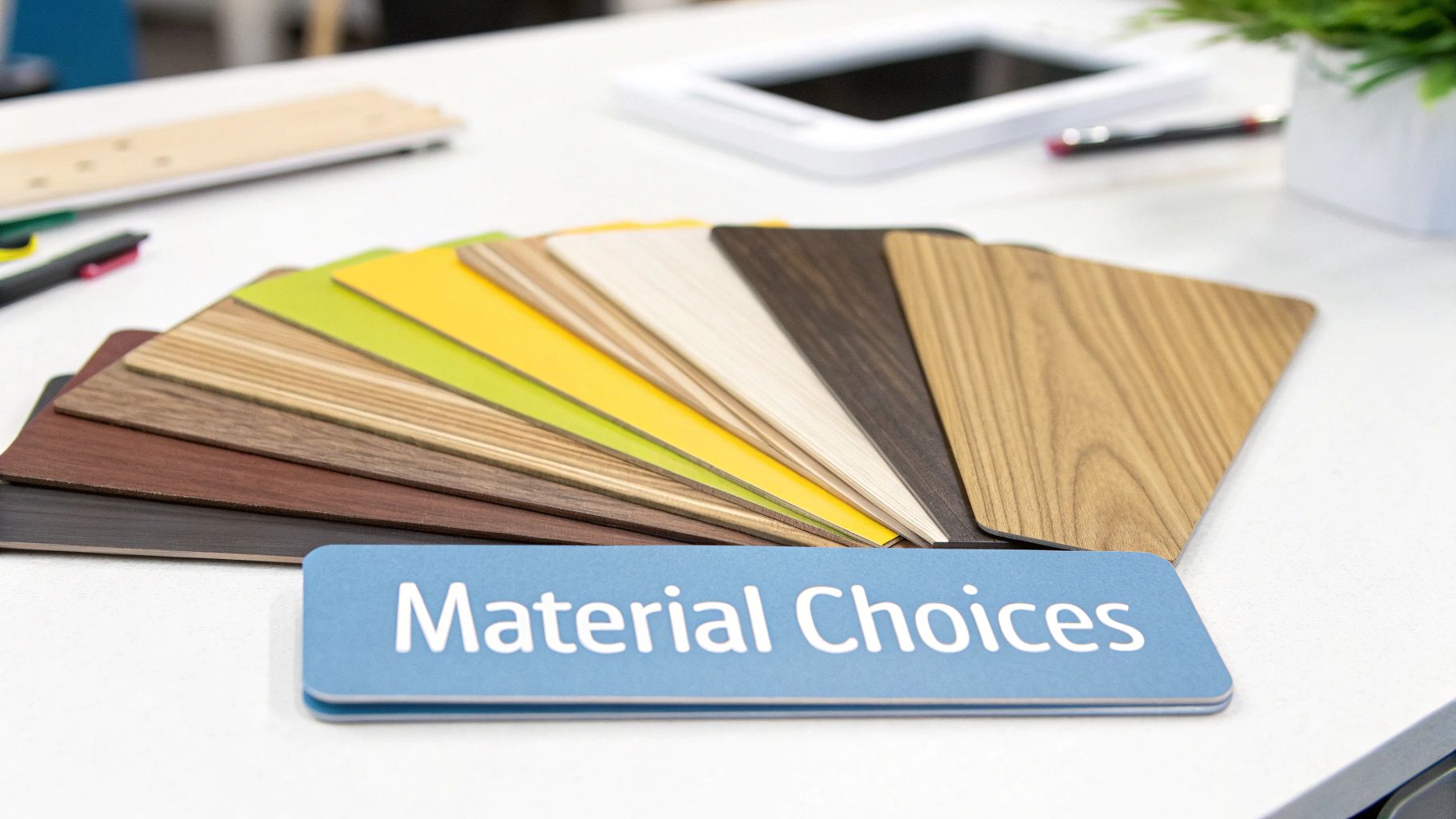
In Singapore’s humid climate, cabinets must resist moisture and daily wear. Sampling finishes for at least three days under actual kitchen light helps avoid surprises.
Popular door types:
- Matte Laminate: Hides fingerprints and repels moisture.
- Wood-Grain Veneer: Real timber texture with waterproof seals.
- Acrylic Doors: High gloss, easy wipe-down and UV-stable.
Eco-friendly materials can reduce indoor pollutants by up to 60%.
Recommended green options:
- Recycled MDF panels rated E0 for formaldehyde control.
- Bamboo plywood from certified fast-growth groves.
- Water-based lacquers cutting VOCs by 80%.
Mid-range remodels (2025) often cost S$5,000–S$8,000, featuring recycled composites and low-VOC finishes. More details at Huakwang.
Material Performance In High-Moisture Zones
- Matte Laminate resists steam and stays matte.
- Veneers with waterproof polymer coat prevent swelling.
- Acrylic doors repel splashes for lasting shine.
Comparing Frame Materials
| Frame Type | Maintenance Cycle | Approx Cost per Metre | Typical Lifespan |
|---|---|---|---|
| PVC | Recoat every 2 years | S$150 | 5–7 years |
| Aluminium | Recoat every 4 years | S$250 | 10–12 years |
Trending Colours And Hardware Combos
- Sage Green Veneers + brushed nickel pulls = spa-like calm.
- Slate Grey Acrylic + black bar handles = modern industrial.
- Recycled Wood Composite + bronze knobs = rustic warmth.
Small colour shifts can boost perceived space by 15% in compact HDB kitchens.
Choosing Based On Your Lifestyle
- Frequency of cooking: heavy users need the toughest finishes.
- Cleaning habits: prefer non-porous surfaces for quick wipe-downs.
- Trend vs. longevity: blend classic veneers with acrylic accents.
Use these prompts when shortlisting styles to ensure your final choice fits your routine.
Exploring Custom Carpentry And Smart Storage Solutions
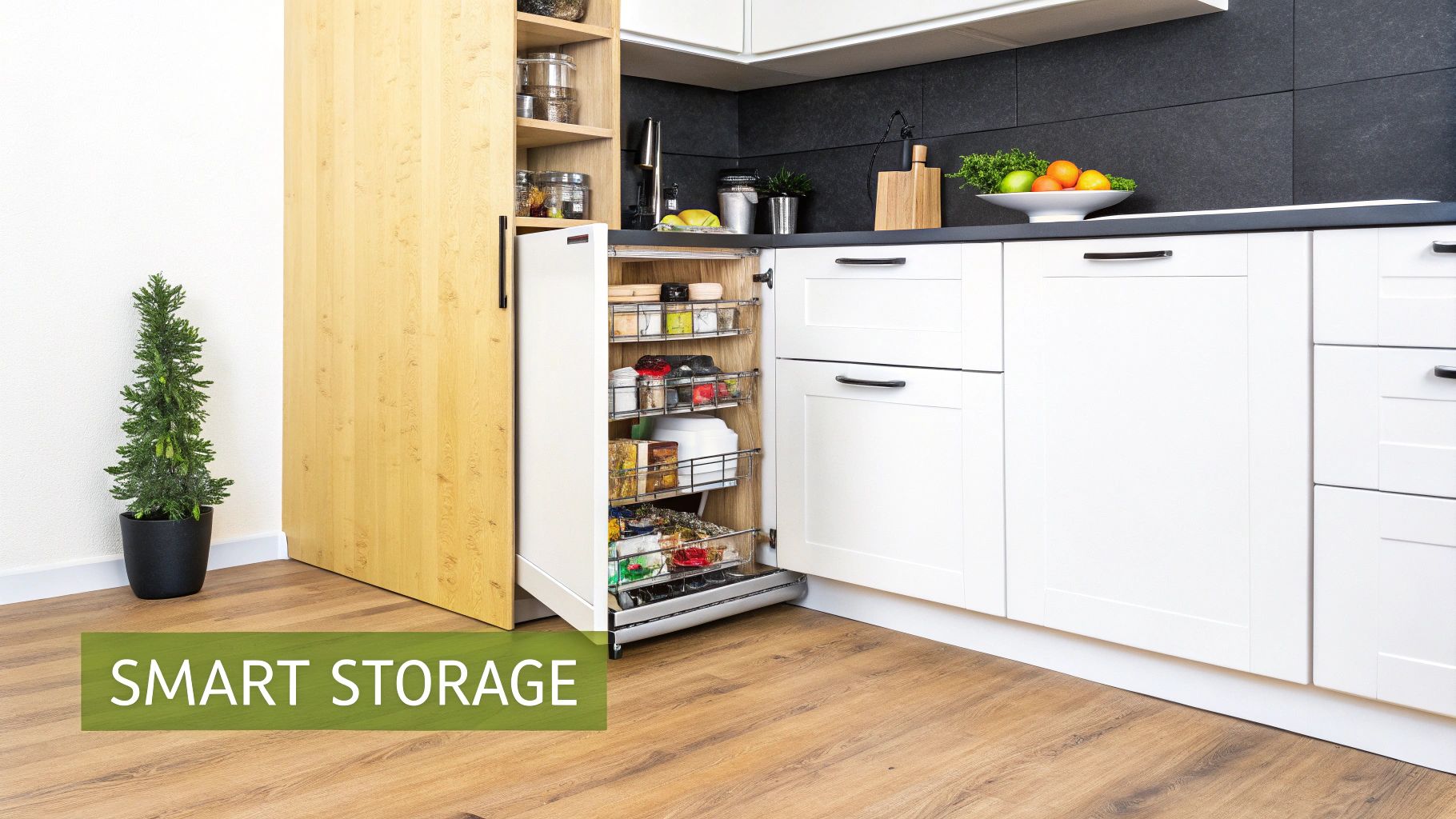
Custom joinery maximises every inch. Tailor solutions to your cooking flow for faster prep and cleaner counters.
Popular upgrades:
- Pull-Out Pantries: store spices and jars on slim shelves.
- Corner Optimisers: rotating trays or sliding baskets for dead corners.
- Vertical Rack Inserts: hold cutting boards, trays and baking sheets upright.
- Hidden Toe-Kick Drawers: stash baking trays out of sight.
In a Bukit Merah flat, adding a custom spice rack boosted shelf capacity by 25%.
Common Carpentry Tasks And Costs
| Task | Cost Range (S$) |
|---|---|
| Pull-Out Pantry | 500–850 |
| Corner Optimiser | 300–550 |
| Spice Rack Insert | 200–350 |
| Hidden Toe-Kick Drawer | 180–300 |
| Built-In Recycling Bin | 250–400 |
| Vertical Tray Dividers | 150–280 |
Light carpentry options can cut up to 30% off time and costs versus major reworks.
Recommended Materials For Humid Climates
- High-Pressure Laminate (HPL): superior water resistance.
- Aluminium Frames: zero edge-peeling in wet conditions.
- Melamine-Coated Boards: budget-friendly moisture barrier.
How To Choose Smart Storage Upgrades
- Map your cooking workflow to identify storage priorities.
- Match feature costs to your budget and footprint.
- Inspect HPL and aluminium samples under your kitchen light.
- Book an on-site consultation for wall conditions and final options.
Designers recommend pull-out spice racks over open shelves to reduce dust.
Local Home Example
In a Tiong Bahru flat, installing a pull-out pantry, corner optimiser and toe-kick drawer:
- Reduced daily prep time by 20%.
- Kept worktops clear with hidden bins.
- Freed two racks by storing trays vertically.
“Our kitchen feels twice as organised, and cleaning takes half the time.”
Selecting The Right Contractor Or Designer
Choose a professional with HDB licence and CIP registration. Verify their track record on HDB compliance to avoid fines and delays.
Proven Vetting Checklist
- Confirm HDB licence and CIP registration.
- Review warranty terms on workmanship and materials.
- Identify the project manager and communication cadence.
- Ask how they source materials and handle delivery schedules.
One homeowner avoided a three-week delay by insisting on daily progress reports.
Comparing Renovation Packages
Request itemised quotes for:
- Basic Package: design plan + standard cabinet install.
- Mid Package: adds materials sourcing + minor M&E work.
- Full Package: includes 3D visualisation + full project management.
Guarantee And Timeline Checks
- Get firm completion dates with penalties for missed deadlines.
- Secure warranties covering cabinets, hardware and labour.
- Ensure delay compensation terms are in writing.
Spotting Red Flags In Quotes
Watch for:
- Vague material allowances.
- Unclear labour rates per unit.
- Unrealistic timelines with no buffer.
Clarify any ambiguities before signing.
Keeping Communication Clear
- Hold weekly on-site meetings and share written summaries.
- Use a dedicated chat thread or email chain for updates.
- Approve change orders in writing with cost and time impacts.
- Tie payments to verified deliverables.
“Regular updates made our contractor a partner, not just a vendor.”
Visualizing Your Remodel With 3D Tools And Case Studies
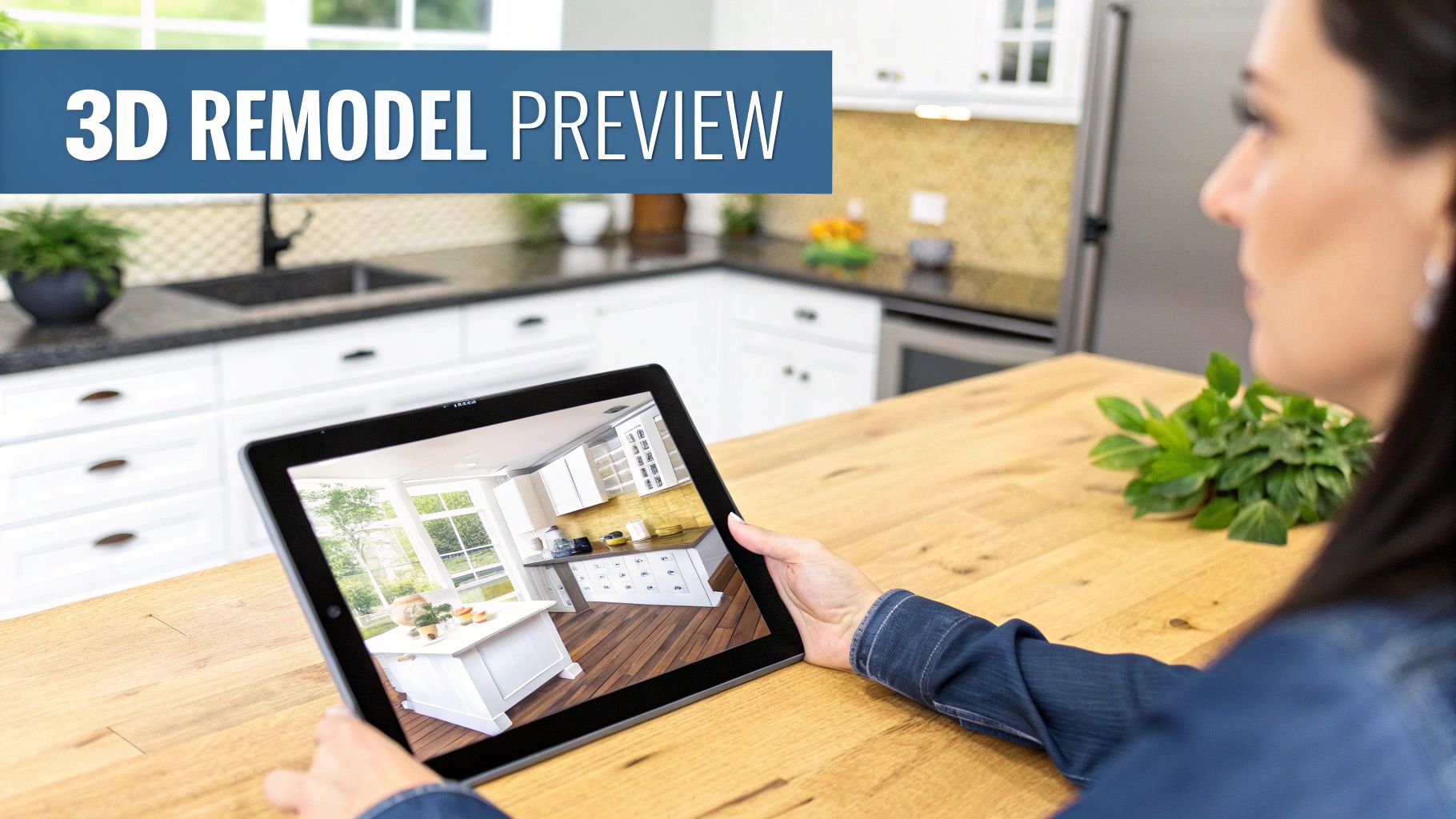
Virtual walkthroughs catch layout issues early. Small tweaks in 3D often prevent costly on-site changes.
Using 3D Kitchen Planners
- Import your HDB floor plan (JPEG or PDF) for accurate scaling.
- Drag and drop base units, wall cabinets and appliances.
- Adjust door swings and handle clearances with built-in measurement tools.
- Toggle day/night lighting presets to identify glare and shadow spots.
73% of homeowners report fewer renovation errors with 3D renders.
Local HDB Project Examples
| Feature | Before | After |
|---|---|---|
| Walkway Width | 80 cm | 88 cm |
| Cabinet Depth | 60 cm | 55 cm |
| Estimated Storage Gain | 0 | 25% |
| Visual Brightness | Low | 15% higher |
Presenting Virtual Walkthroughs
- Export annotated high-res renders in PDF.
- Share snapshots via email or chat for quick feedback.
- Use simple VR headsets or mobile apps for immersive sessions.
Immersive previews align expectations across design and build teams.
Frequently Asked Questions
What HDB Approvals Do I Need To Start?
Submit cabinet dimensions, materials and finish details. Expect 4–6 weeks for approval if documentation is complete.
What Is The Typical Timeline From Design To Installation?
A mid-range remodel usually spans 6–8 weeks:
- 1–2 weeks: design development and layout sign-off
- 2–4 weeks: material ordering and fabrication
- 2–3 weeks: on-site carpentry, fitting and finishing
What Hidden Costs Should I Watch For?
- S$100–S$300 for HDB permit fees
- S$200–S$400 for waste disposal and skip hire
- Delivery surcharges on oversized panels
Expert Tips For Smooth Approval
Double-check shop drawings against your floor plan. Even a 10 mm mismatch can delay HDB sign-off.
Should I Choose Off-The-Shelf Or Custom Cabinets?
Off-the-shelf units arrive faster and cost less. Custom cabinets yield tailored storage (pull-out pantries, toe-kick drawers) but require longer lead times.
How Can I Estimate My Final Cost?
Start with base quotes, then add:
- Mandatory fees (permits, waste removal)
- 5% contingency for extras
Review each line item to avoid hidden charges.
Who Should I Hire For My Kitchen Cabinet Remodel?
Select an HDB-licensed contractor with CIP credentials and a solid kitchen portfolio. Verify:
- Licence and registration
- Past HDB kitchen case studies
- Clear warranty terms
How Do I Avoid Cost Overruns?
Maintain weekly check-ins, formal change orders and a 5% contingency buffer.
For tailored solutions and expert kitchen cabinet remodel support, trust KIVO Custom Carpentry And Interior Design Services. Learn more at https://kivo.com.sg