Modern minimalist interior design is more than just an aesthetic—it's a practical approach to creating a home that is simple, functional, and intentional. It’s about stripping away the non-essential to build a space that feels calm, organised, and perfectly suited to your life.
The Philosophy of Modern Minimalist Design
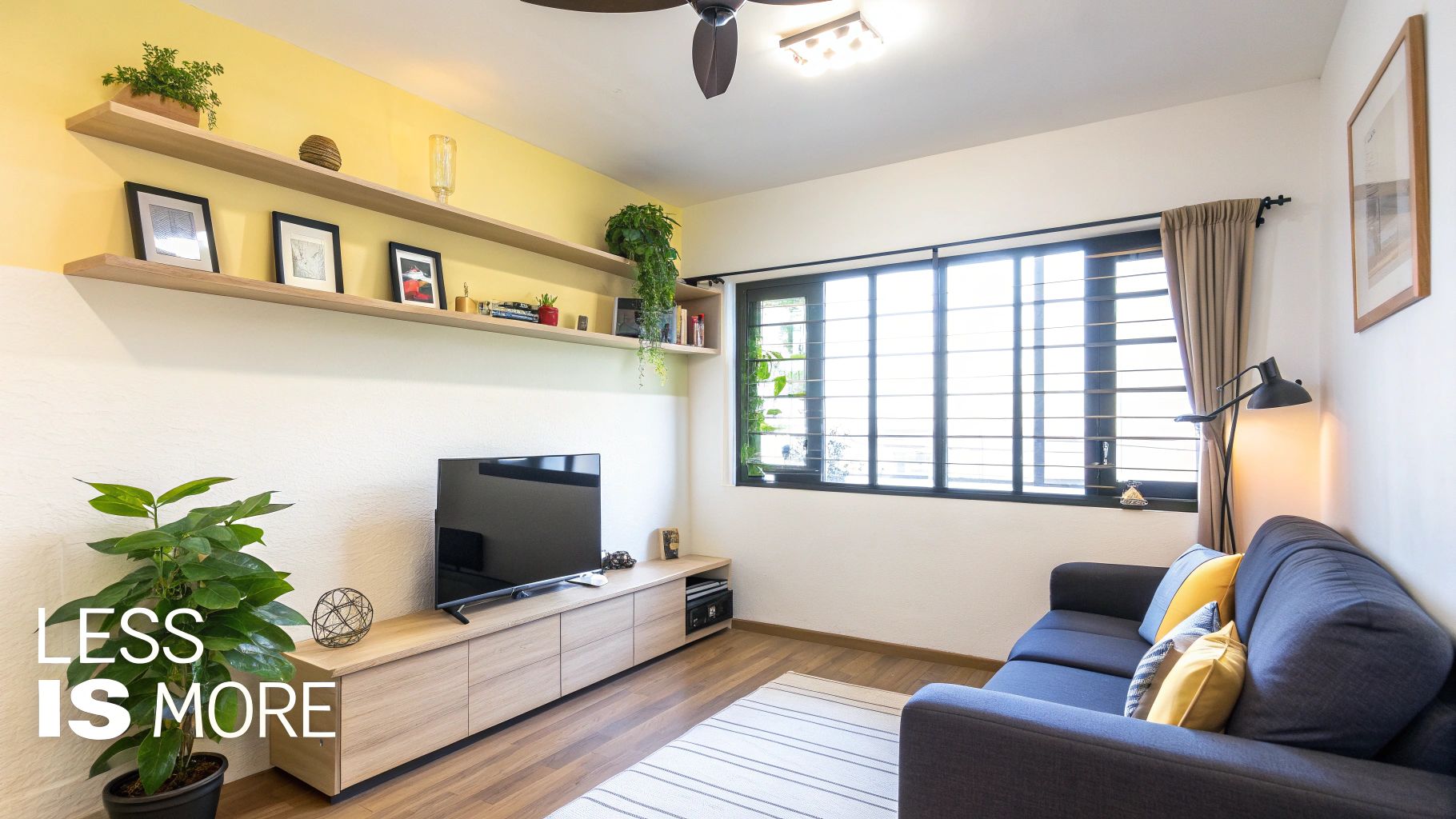
At its core, modern minimalism is about creating a sanctuary from the constant noise of the outside world. This isn't about owning nothing. Instead, it’s a practical framework for ensuring every item in your home either serves a clear purpose or brings you genuine joy. This approach transforms a cluttered house into an environment that supports mental clarity.
Think of it this way: a cluttered room is like having too many tabs open on your computer. A minimalist space closes those unnecessary tabs, freeing you to focus on what matters.
Why Minimalism Works So Well in Singapore
In Singapore, where we navigate a fast-paced city and often work with compact HDB and condo layouts, the principles of minimalism offer a direct solution to a common challenge. It’s no surprise it has become a leading choice for homeowners here.
From our experience with clients, the demand for uncluttered, functional spaces is at an all-time high. Homeowners, especially millennials, are looking for designs that maximise every square metre. This observation is supported by broader trends; for instance, minimalism is a top choice for Singapore homes because it directly answers the need for efficiency and a sense of calm.
The "less is more" philosophy creates a home that feels more spacious, organised, and breathable. By focusing on smart, multifunctional designs and eliminating visual noise, we craft an illusion of openness even in the most modest floor plans.
More Than Just a Look
A common myth is that minimalism leads to cold, sterile, or impersonal homes. This only happens when the style is misinterpreted. Authentic minimalist design is rich with warmth and character, achieved through a thoughtful curation of materials, textures, and light, rather than an abundance of stuff. The focus shifts from quantity to quality.
A minimalist home is not about deprivation. It's about creating a deliberate, high-quality environment where you are surrounded only by things you love and use. This intentionality is the true luxury of the design.
Embracing this approach brings practical benefits:
- Enhanced Sense of Space: Open layouts and clear surfaces make rooms feel instantly larger and more airy.
- Improved Mental Well-being: An organised, tidy environment is directly linked to lower stress levels and better focus.
- Timeless Appeal: By prioritising classic forms and quality craftsmanship, the design sidesteps fleeting trends and looks good for years to come.
Ultimately, modern minimalism is a deeply personal journey. To understand how to make this style your own, this guide offers great insights on Mastering Minimalism: How To Personalize Your Space Without Feeling Cluttered.
Mastering Space, Colour, and Light
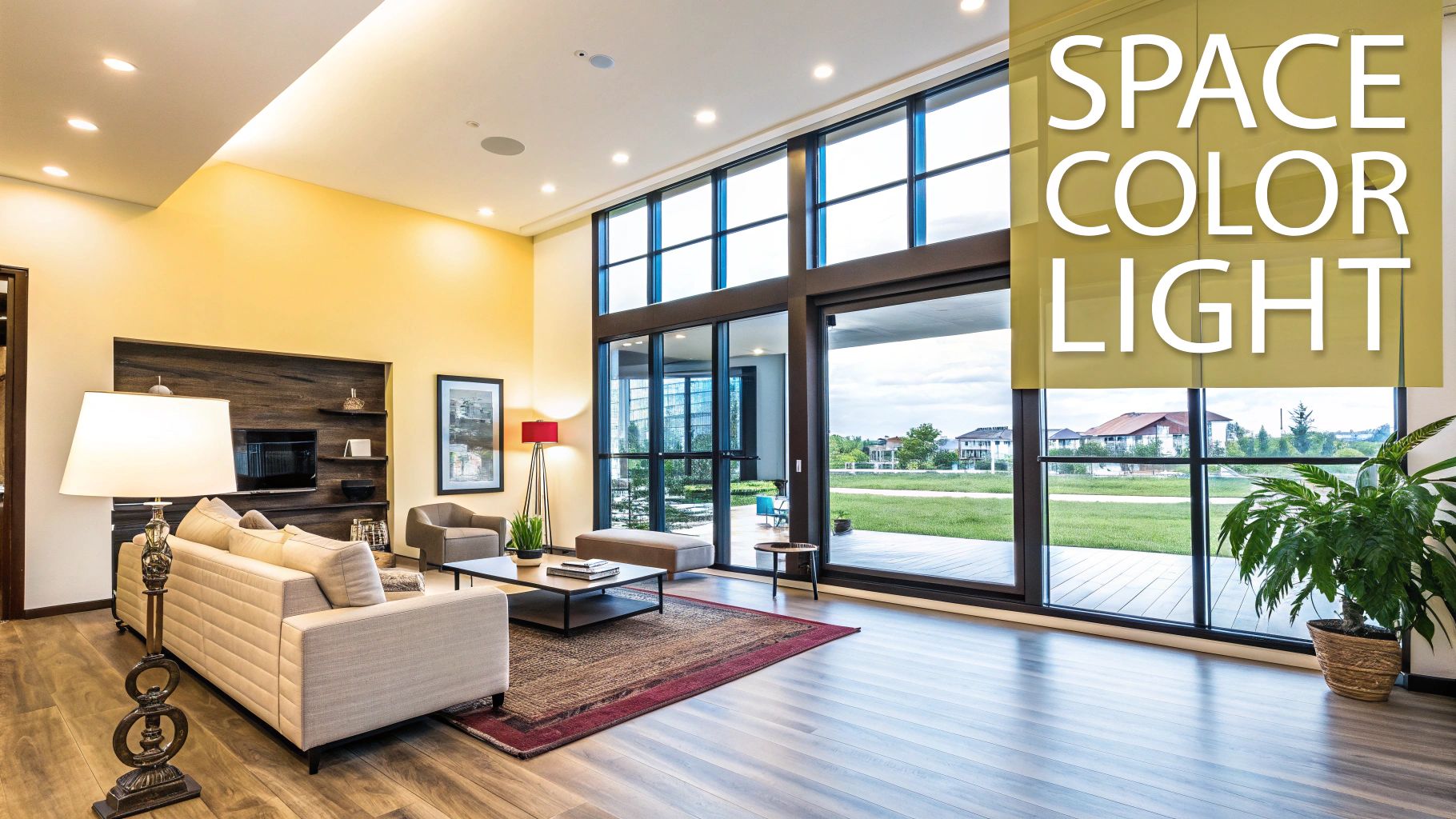
Getting modern minimalist design right comes down to a careful balance of three key elements: space, colour, and light. When they work in harmony, they create a home that feels open, intentional, and calm. If one element is off, the entire design can fall flat, feeling stark or unfinished.
Think of them as the building blocks of minimalism. Space gives the design its structure, colour sets the mood, and light brings it all to life. In every project we undertake, we give each of these elements equal weight to build a home that feels cohesive and genuinely inviting.
Crafting Space Through Strategic Design
The first step is to master the space itself. This is especially true here in Singapore, where many HDB flats and condos have compact layouts. Creating a sense of openness isn't just about decluttering—it's about designing for visual flow.
Actionable Tip: Where possible, opt for open-concept layouts by removing non-structural walls to merge living, dining, and kitchen areas. This single move can completely change how large a home feels, letting light and air travel without interruption.
Our goal is to eliminate visual friction. Every piece of furniture, every built-in cabinet, even the direction of the flooring is chosen to guide your eye smoothly from one area to the next. The result? A home that feels far more expansive than its floor plan might suggest.
The Nuanced World of Neutral Colours
In modern minimalist design, colour is subtle but powerful. The palette is usually neutral—think whites, beiges, and greys—but that doesn't mean it has to be boring. The secret is to layer different tones and textures to build warmth and depth, avoiding a flat, clinical look.
A common mistake is thinking minimalism means painting everything a single shade of white. True mastery is in the layers: a soft cream on the walls, a light grey sofa, and off-white curtains. This creates a rich, sophisticated space that feels anything but cold.
Here is a practical, step-by-step approach to a minimalist colour palette:
- Establish a Base: Begin with a dominant, light neutral for the walls and ceiling to maximise brightness. Good starting points are Nippon Paint's "Sail White" or a soft off-white.
- Introduce Tonal Variation: Next, layer in slightly darker or warmer neutrals through large furniture and textiles. For example, pair a greige sofa with a light beige rug to add warmth without disrupting the calm.
- Add Subtle Accents: Finally, bring in quiet pops of colour through decor. Think muted greens from indoor plants, the earthy tones of a ceramic vase, or the deep grey of a stone countertop. These small touches add character.
Illuminating Your Home with Purpose
Light is perhaps the most critical element. It shapes the mood, defines zones, and highlights architectural details. Our strategy is twofold: make the most of natural light, and then layer in artificial sources with intention.
Actionable Tip: Maximise sunlight by using sheer, lightweight curtains instead of heavy drapes. This allows soft, diffused light to filter in while maintaining privacy. A few strategically placed mirrors can also amplify natural light and make smaller rooms feel larger.
When it comes to artificial lighting, we think in layers:
- Ambient Lighting: This is your general illumination. Recessed LED downlights that sit flush with the ceiling provide a clean, unobtrusive look.
- Task Lighting: This is focused light for specific activities. Practical examples include under-cabinet LED strips in the kitchen for food prep or a sleek reading lamp beside an armchair.
- Accent Lighting: This adds drama. A sculptural floor lamp can act as a piece of art, while track lighting can draw attention to a beautiful texture on a wall.
By combining these three layers, we design a lighting scheme that is both functional and atmospheric.
Using Texture to Add Warmth and Character
A common concern we hear from clients is that a minimalist interior might feel cold or impersonal. This usually stems from a misunderstanding of the style. True minimalism isn't about creating empty rooms; it’s about making a space feel warm and full of character using a careful selection of materials and textures.
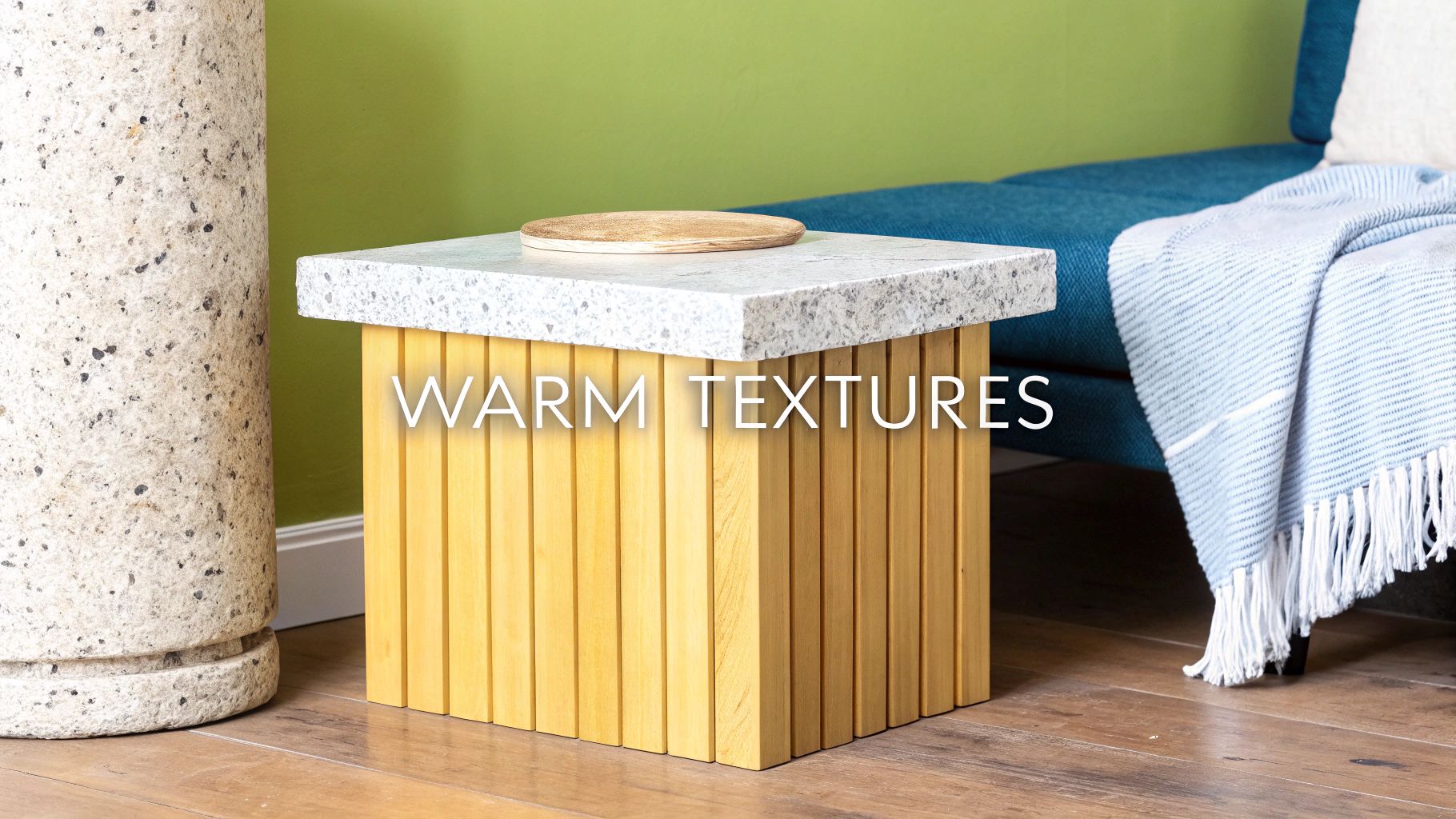
When you remove clutter, the elements that remain have more impact. Suddenly, you notice the subtle weave of a linen curtain, the unique grain of a wooden cabinet, or the cool smoothness of a concrete floor. Texture is the secret ingredient that turns a simple space into a sensory experience.
Layering Natural Materials for Tactile Depth
The key to a warm minimalist home is layering different natural textures. By mixing hard and soft surfaces, you create a visual and tactile balance.
Start by bringing in organic elements. Wood is a cornerstone—it brings immediate warmth and a connection to nature. Light oak and walnut are popular choices. From there, layer in other materials like stone for a cool, earthy contrast, or sleek matte black fixtures for a modern edge.
The goal is to build a tactile dialogue. A space feels rich when a smooth marble coffee table is softened by a nubby wool rug, or when a sleek leather armchair is paired with a soft, knitted throw. This layering ensures that even with a neutral palette, your home will feel complex and full of life.
The Power of Custom Carpentry
One of the most effective ways to introduce sophisticated texture is through custom carpentry. This is where the "quality over quantity" principle shines. A single, well-crafted built-in can define a room, adding function and character while maintaining the clean lines essential to modern minimalist interior design.
A popular request from our clients is fluted wall panels. These subtle vertical grooves add a rhythmic texture that catches the light beautifully, creating a dynamic feature without adding visual noise.
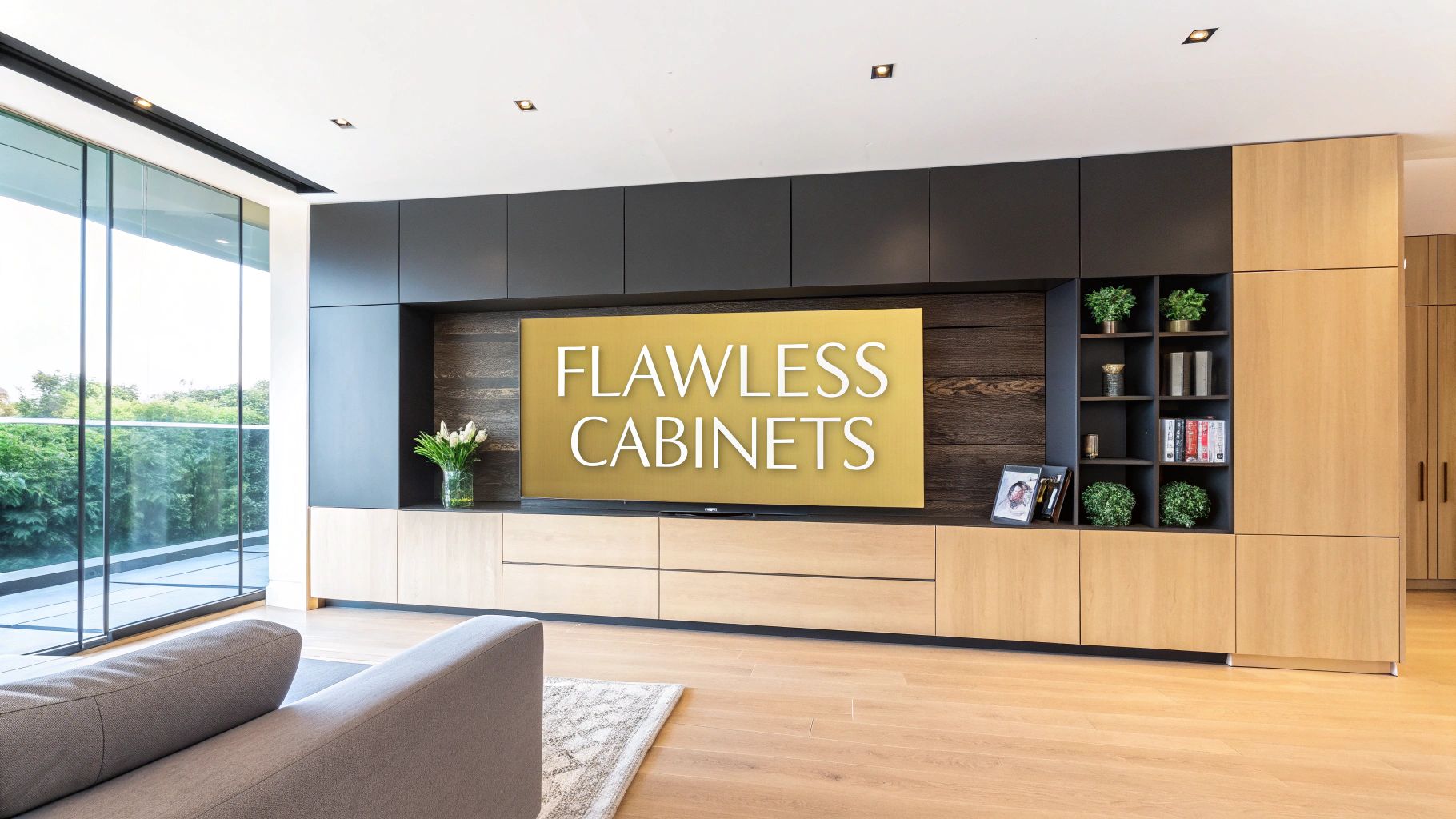
Integrated storage is another area where custom work makes all the difference. We design seamless, handle-less cabinets that appear to blend into the walls, keeping clutter out of sight. The focus then shifts to the material itself—perhaps a soft matte laminate or a fine wood veneer—turning a practical item into a refined design element.
Choosing Materials for Your Minimalist Interior
Choosing materials for a minimalist home in Singapore requires balancing aesthetics with durability and suitability for our humid climate. Materials that are resilient and easy to maintain are non-negotiable.
Here’s a practical comparison of popular materials we work with:
| Material | Key Characteristics | Best For | Maintenance Level |
|---|---|---|---|
| Engineered Wood | Durable, stable in humidity, and available in various finishes. Offers a consistent look. | Flooring, feature walls, and custom cabinetry. | Low to Medium |
| Natural Stone (e.g., Marble, Granite) | Timeless, luxurious feel. Each slab is unique. Excellent at keeping cool. | Countertops, flooring, and bathroom vanities. | Medium to High |
| Linen | Lightweight, breathable, and drapes beautifully. Develops a soft, relaxed texture over time. | Curtains, upholstery, and bedding. | Medium |
| Performance Fabrics | Designed to resist stains, moisture, and fading. Ideal for high-traffic areas. | Sofas, dining chairs, and outdoor cushions. | Low |
| Concrete & Terrazzo | Modern, industrial aesthetic. Extremely durable and helps keep interiors cool. | Flooring, countertops, and custom sinks. | Low |
The right mix of materials will give your home durability for daily life while creating the warm, inviting atmosphere that defines great minimalist design.
Furnishing Your Minimalist Home with Intention
Choosing furniture for a modern minimalist home is an exercise in intention. Forget just filling a room; this is about curating select pieces that are as beautiful as they are practical. Every item must earn its place by serving a clear purpose while contributing to the calm, uncluttered aesthetic.
The guiding philosophy is quality over quantity. Instead of multiple small items, invest in fewer, high-quality pieces built to last. A single, well-crafted sofa makes a stronger statement than a handful of trendy but flimsy chairs. This approach not only declutters your home but elevates it.
Choosing Furniture with Form and Function
Minimalist furniture is defined by clean lines, simple shapes, and an absence of fussy details. The beauty comes from the material and construction—a sleek platform bed with built-in storage, or a bespoke media unit that hides every cable.
This focus on function is critical in Singapore. The enduring popularity of modern minimalist interior design is a direct response to our living spaces, as how design trends are adapting to Singapore's living spaces shows. With many living in HDB flats, maximising every square metre is key. Minimalism works wonders by making smaller homes feel larger through smart, multi-purpose furniture.
Here are examples of multifunctional pieces we frequently design for clients:
- Custom Platform Beds: Designed with deep, hidden drawers or hydraulic lift-up mechanisms, eliminating the need for a separate dresser.
- Extendable Dining Tables: Perfect for compact dining areas, seating four for daily meals and expanding for guests.
- Bespoke Wardrobes: Floor-to-ceiling custom wardrobes use every inch of vertical space and can be designed to include integrated desks or vanity areas.
The Power of Negative Space
Once you’ve chosen your key pieces, placement is everything. In minimalism, the empty area around your furniture—what designers call negative space—is as important as the furniture itself. It gives each item room to breathe and be appreciated.
Negative space is the quiet that allows the beautiful notes of your furniture to be heard. Crowding a room is like playing all the notes at once; it just becomes noise. Allowing for space creates harmony and focus.
Actionable Tip: Fight the instinct to push everything against the walls. Pulling a sofa slightly away from the wall creates an illusion of depth. Group furniture into functional zones, like a conversation area, to define the layout without needing walls.
Visualising Your Layout for Maximum Impact
It can be difficult to understand how a furniture layout will feel just from a floor plan. This is where 3D visualisations become an invaluable tool. They let you see exactly how your furniture will look and feel in your home before you commit.
For example, a 3D rendering can instantly show you the difference between a three-seater sofa and an L-shaped sectional, revealing how each choice impacts traffic flow. You can see how a round dining table might foster a more intimate setting than a rectangular one. These visualisations remove the guesswork, ensuring every piece not only fits perfectly but enhances your minimalist sanctuary.
Real Minimalist Home Transformations
It’s one thing to discuss design principles, but another to see them reshape a home. Let’s walk through two recent KIVO projects to show how modern minimalist interior design works in the real world, solving unique challenges with custom solutions.
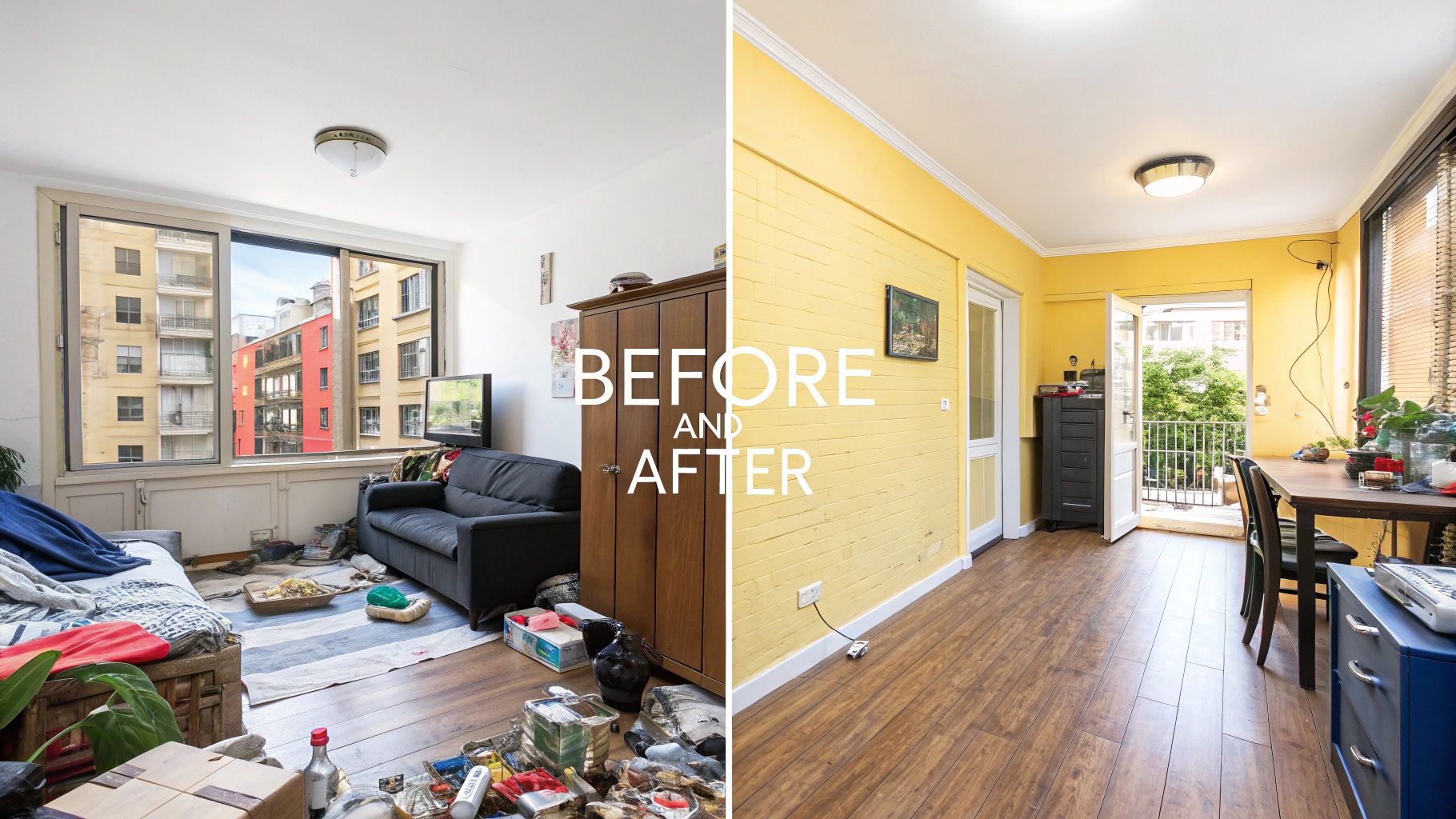
These before-and-after stories bring our philosophy to life, showing how a clear brief and smart problem-solving create homes that are as functional as they are peaceful.
Case Study One: Maximising a Compact HDB Flat
Our first project was a 3-room HDB flat in Toa Payoh. The owners, a young professional couple, wanted a home that felt open, bright, and easy to maintain. The problem was limited square footage and an awkward layout.
The Client's Brief:
- Make their 65-square-metre floor plan feel much larger.
- Integrate clever, hidden storage to keep clutter out of sight.
- Design a calm, neutral space as an escape from their hectic lives.
The Challenges We Solved: The main living area felt cramped and dark due to a non-structural wall that blocked light. With no proper storeroom, household items were cluttering the living space.
Our Minimalist Solutions: We started by removing the wall between the living and dining areas. Instantly, the flat became a bright, open-concept space, allowing natural light to flow through.
To solve the storage crisis, we designed a full-height, custom carpentry unit along one wall.
- Seamless Integration: We finished the cabinets in the same light grey laminate as the walls and used handle-less, push-to-open doors, making the unit blend in.
- Multifunctional Design: We built in a fold-down work desk, a TV niche, and deep cabinets for everything from a vacuum cleaner to luggage. This single piece eliminated the need for a separate TV console or desk, freeing up floor space.
The result was a home that felt double its size—a bright, airy, and functional urban retreat.
Case Study Two: Understated Luxury in a Condominium
Next, we worked with a family in a larger three-bedroom condominium. They were drawn to minimalism but worried it might feel too cold or impersonal for a family with young children. They wanted sophistication and warmth, but it had to be practical.
The Client's Brief:
- Create a high-end, luxurious atmosphere using minimalist principles.
- Ensure the design is durable enough for family life.
- Establish a cohesive, warm, and inviting flow.
The Challenges We Solved: The condo had great bones but lacked personality. The developer-grade finishes felt generic, and the spacious layout was disconnected. Our challenge was to inject character without clutter.
In larger spaces, minimalism isn't just about creating room; it's about curating a feeling. The goal shifts to creating zones of calm and using high-quality materials to build a sense of understated elegance.
Our Minimalist Solutions: We focused on materiality and texture. To anchor the living room, we introduced a feature wall clad in large-format sintered stone with subtle veining, adding drama and grounding the space.
We then layered in warmth with natural wood. A custom, low-profile media console in light oak runs the length of the feature wall, its clean lines making the room feel wider. To make it family-friendly, we chose high-performance fabrics for the sofa and rounded the corners on the coffee table and all custom joinery.
Lighting was the final touch. We installed a cove lighting system that washes the ceiling in a soft, indirect glow, creating a cosy ambiance. The finished home is the perfect blend of modern minimalist interior design and family-friendly practicality—proof that minimalism can be both luxurious and liveable.
Bringing Your Minimalist Home to Life
Turning the vision of a calm, organised home into reality is where the journey begins. We’ve refined our process over years of projects to make creating your minimalist interior a smooth, collaborative, and enjoyable experience. We handle the complexities so you can focus on the excitement of the transformation.
Our approach is built on clear communication and exceptional craftsmanship, ensuring you’re happy with the result for years to come. We believe the process of creating a home should feel as peaceful and intentional as the final design.
Our Design and Build Process, Simplified
Bringing a modern minimalist interior from concept to completion follows a clear, structured path designed to give you clarity and confidence at every stage.
Our journey together looks like this:
- Initial Consultation: We start with a conversation to understand your lifestyle, aesthetic preferences, and daily needs. This forms the brief for the entire project.
- 3D Visualisation: We translate our shared vision into detailed 3D renderings. This allows you to walk through your future home with photorealistic accuracy, making it easy to finalise layouts, materials, and colours before work begins.
- Project Management: Once the design is approved, our dedicated project managers take over. They coordinate trades, manage timelines, and ensure every detail meets our exacting quality standards.
- Final Handover: We conduct a final walk-through with you to ensure every element is perfect. Our work isn't finished until you are completely satisfied with your new home.
Keeping Your Space Timeless
One of the best things about a minimalist home is its ease of maintenance, but preserving that serene atmosphere requires some mindfulness.
Here are a few practical habits to keep your space uncluttered:
- Practice the “One In, One Out” Rule: For every new item that enters your home, let go of an old one. This simple habit prevents clutter from creeping back in.
- Schedule Quick Tidy-Ups: Set aside 15 minutes each week to reset your space—wipe down surfaces and put things back where they belong. This small, consistent effort stops mess from building up.
- Be a Conscious Consumer: Before buying anything, ask: "Do I truly need this, or does it bring me genuine joy?" This mindset is the heart of minimalist living.
For more guidance on adding personal touches without losing that clean aesthetic, you can learn more by mastering minimalism by personalizing your space without feeling cluttered.
Your home is a living space, and our relationship doesn’t end at handover. We are always here for ongoing support, whether you need maintenance advice or want to plan future updates, ensuring your home remains a source of peace for years to come.
Got Questions? We’ve Got Answers.
We get many questions from homeowners in Singapore who are curious about modern minimalist design. Here are a few common ones, with insights from our experience creating calm, functional homes.
Is a Minimalist Interior Design Expensive to Achieve in Singapore?
Not necessarily. While minimalism champions high-quality, long-lasting pieces—which can have a higher upfront cost—the philosophy is to own fewer things. This focus on quality over quantity often balances the budget.
In our experience, the smartest investment is often in durable, custom-built carpentry. One beautifully crafted, bespoke piece can do the job of three separate items of furniture, simplifying your space and providing long-term value.
How Do I Make My Minimalist Home Feel Warm and Not Empty?
This is a major concern, and the secret lies in texture. Thoughtfully layering different materials is what prevents a clean space from feeling cold.
Actionable Tip: Introduce tactile elements like the warm grain of natural wood, the soft drape of linen curtains, and the comforting feel of a wool rug underfoot. We also use strategic lighting, especially warm-toned ambient lights, to create an inviting glow. A skilled designer can mix the right materials to create a space that feels like a warm embrace.
Personalisation is what turns a house into a home. Minimalism isn’t about erasing your personality; it’s about giving it a clean backdrop so the things that truly matter to you can shine. It could be a single piece of statement art or a custom dining table that perfectly fits your family's life.
Can I Personalise a Minimalist Home or Will It Look Generic?
Absolutely. A minimalist space is the ultimate canvas for self-expression. Because the background is calm and uncluttered, the few items you choose to display carry much more weight and impact.
The guiding principle is intentionality. Every object should either serve a clear purpose or bring you genuine joy. This curated approach is what makes your home a true reflection of you, not a copy of a catalogue.
Ready to create your own sanctuary of calm and style? The team at KIVO is here to walk you through every step of building your dream modern minimalist home.
Explore our services and see how our passion for artisan excellence can bring your vision to life at https://kivo.com.sg.