Searching for a renovation package for a BTO means you're at an exciting stage—turning a blank HDB flat into your home. A package is essentially a bundled deal from an interior design firm covering a pre-set list of works like carpentry, painting, and basic electrical wiring for a fixed price. It's designed to simplify budgeting and decision-making for new homeowners.
However, viewing it as a "starter kit" is more accurate than seeing it as an all-in-one solution. The real value comes from understanding what's included, what's not, and how to build upon it to create a home that truly fits your life.
What a BTO Renovation Package Really Includes
The first step is decoding what a 'renovation package' actually offers. Many first-time homeowners see a single price and assume it covers everything from floor to ceiling. In reality, it's a foundation. The package is designed for efficiency, focusing on the most common needs of a new BTO flat.
The specifics vary between firms, so reading the fine print is non-negotiable. Here's a practical breakdown of what you'll typically find inside.
Core Components You Can Expect
Based on our experience with hundreds of BTO projects, the backbone of a standard package usually consists of these items:
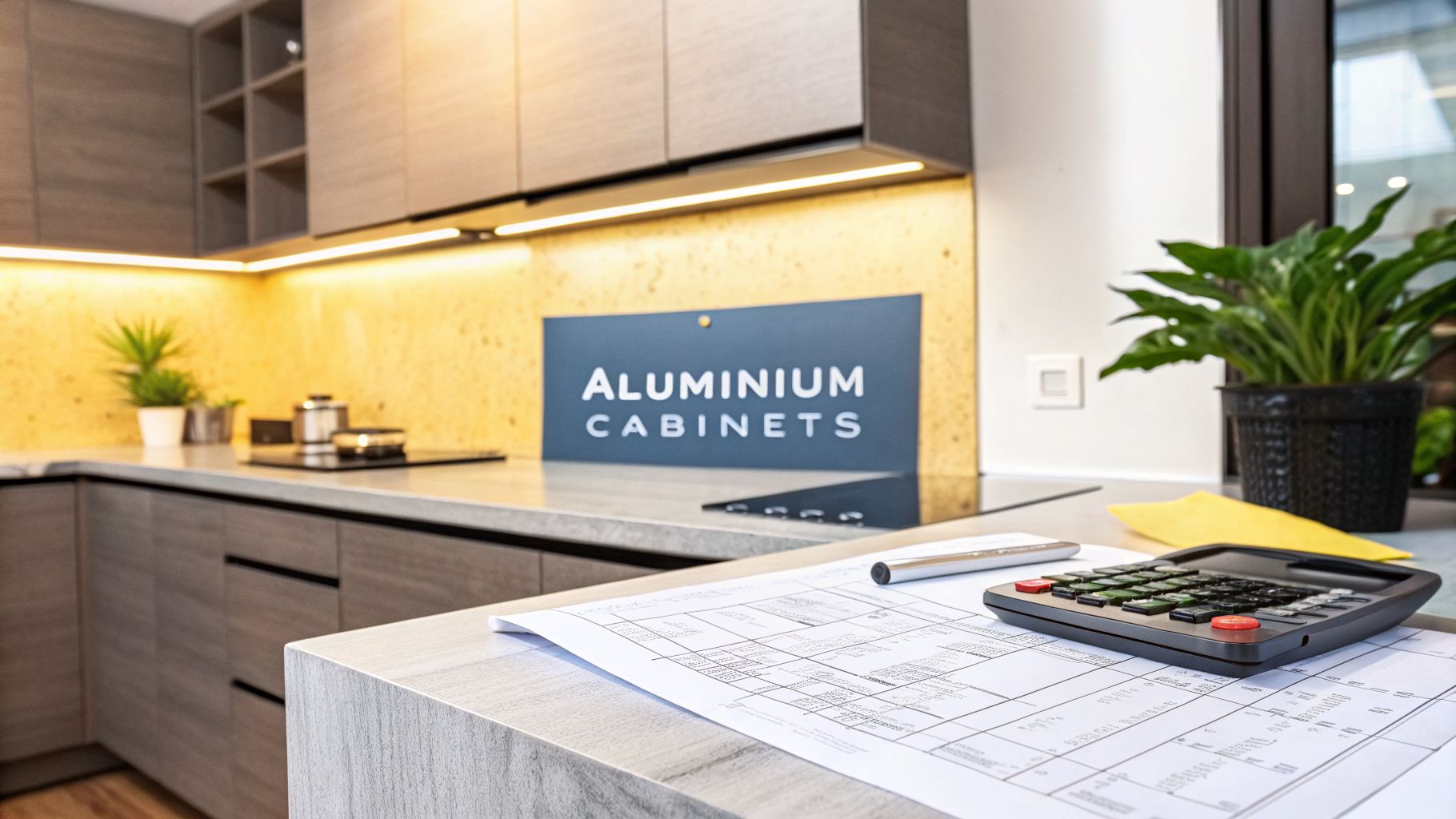
- Carpentry: This is often the main feature. A typical package includes a specific length of kitchen cabinetry (e.g., 20ft top and bottom) and a standard-sized wardrobe for the master bedroom. The materials are usually specified, such as solid plywood internals with a laminate finish. For example, a package might state "Solid plywood kitchen cabinet with internal white PVC and selected laminate finish."
- Essential Electrical Work: This covers a fixed number of new lighting points and electrical sockets. For a 4-room BTO, a package might include 10-15 new lighting points and 5-8 double sockets. This is sufficient for basic needs but won't cover a home office with multiple devices or a complex home entertainment system.
- Standard Plumbing: This typically includes the labour cost to connect your kitchen sink and tap, and install bathroom fixtures like a storage water heater. Actionable Insight: The fixtures themselves (the sink, tap, heater) are usually purchased separately by you. The package just covers the installation.
- Painting Services: A fresh coat of paint for all internal walls and ceilings is standard. The contract will usually specify the brand and model, like Nippon Paint's Vinilex 5000, and limit you to a set number of colours (e.g., up to 3 for walls, 1 for ceilings).
What Is Almost Always Excluded
Understanding what’s not in the package is just as important as knowing what is. These are the "variable costs" or "add-ons" that can cause a budget to swell if not planned for. A transparent quote for a renovation package for a BTO should list these, but you need to be prepared to ask.
The real cost of a renovation isn't just the package price. It's the gap between what the package offers and what you actually need. Closing that gap smartly is the key to a successful project.
Items commonly excluded are major works or premium selections. For instance, hacking a wall to create an open-concept kitchen is a major structural change and will always be quoted separately. Masonry work, such as building a shower kerb or a cabinet base, is also an additional cost.
Other common costs to budget for outside the package:
- Flooring: Unless explicitly mentioned, laying vinyl or tiles is an extra.
- Premium Materials: Upgrading from a standard laminate countertop to quartz or sintered stone is a common add-on.
- Haulage and Debris Disposal: The fee for clearing renovation waste is almost always a separate line item.
- Fixtures and Fittings: Lights, ceiling fans, taps, sinks, and toilet bowls are homeowner-supplied items.
Understanding BTO Renovation Package Costs

A common question we get is, "Why is there such a huge price difference between packages for the same BTO flat type?" The final cost isn't one number; it’s a combination of flat size, the scope of work, and your material choices.
Think of it like ordering a bowl of noodles. The basic bowl has a price, but adding extra ingredients like more meat, a lava egg, or premium toppings will increase the final bill. Your renovation is the same. The three biggest factors are the size of your flat, the extent of work you require, and the materials you select.
The most direct factor is size. A 5-room flat has more floor area to cover and more walls to paint than a 3-room flat. This translates to higher material and labour costs.
How Scope of Work Shapes Your Budget
Beyond size, the amount of work you want done is a major cost driver. A minimalist renovation focusing on essentials will cost significantly less than a full-scale transformation with custom features.
Practical Example: A client with a 4-room BTO might stick to the package basics: kitchen cabinets and a master bedroom wardrobe. Another client in the same block might want to add a custom feature wall in the living room, a built-in study nook, and a full-height shoe cabinet. Each of these custom items adds to the material and labour costs, pushing the total price up.
Based on recent projects and client expectations, renovating a standard 4-room BTO in 2024-2025 typically ranges from SGD 45,000 to SGD 65,000. The kitchen alone can cost between SGD 12,000 and SGD 20,000, depending on size and materials. For larger 5-room flats, homeowners often budget between SGD 55,000 and SGD 75,000+, reflecting the larger space and potential for more extensive work.
To give you a clearer picture, here’s a breakdown of what you might expect to budget.
Estimated Renovation Package Costs by BTO Flat Type
The table below provides a general idea of renovation costs in Singapore. These are averages; your final quote will depend on your specific scope and material choices.
| BTO Flat Type | Average Renovation Cost (SGD) | Key Cost Drivers |
|---|---|---|
| 2-Room Flexi | SGD 25,000 - SGD 38,000 | Essential carpentry (kitchen, wardrobe), flooring, and basic electrical work. |
| 3-Room | SGD 35,000 - SGD 50,000 | Standard inclusions plus potentially a feature wall or more extensive painting. |
| 4-Room | SGD 45,000 - SGD 65,000 | More comprehensive carpentry, tiling for bathrooms, and potentially false ceilings. |
| 5-Room | SGD 55,000 - SGD 75,000+ | Larger living areas, potential for walk-in wardrobes, and higher material usage. |
Ultimately, the best way to get an accurate figure is to speak with an interior designer who can provide a detailed quote based on your specific requirements.
Material Choices and Workmanship Complexity
This is where your personal style meets the budget. Your choice of materials directly impacts the final cost and defines both the look and durability of your home.
Let's break down some common choices we discuss with clients:
- Countertops: Laminate is the budget-friendly choice. For better durability against heat and scratches, most clients upgrade to quartz or sintered stone, which come at a higher price point.
- Flooring: Vinyl is popular for its affordability and easy maintenance. However, ceramic or porcelain tiles offer a more premium, lasting finish but cost more for both materials and labour.
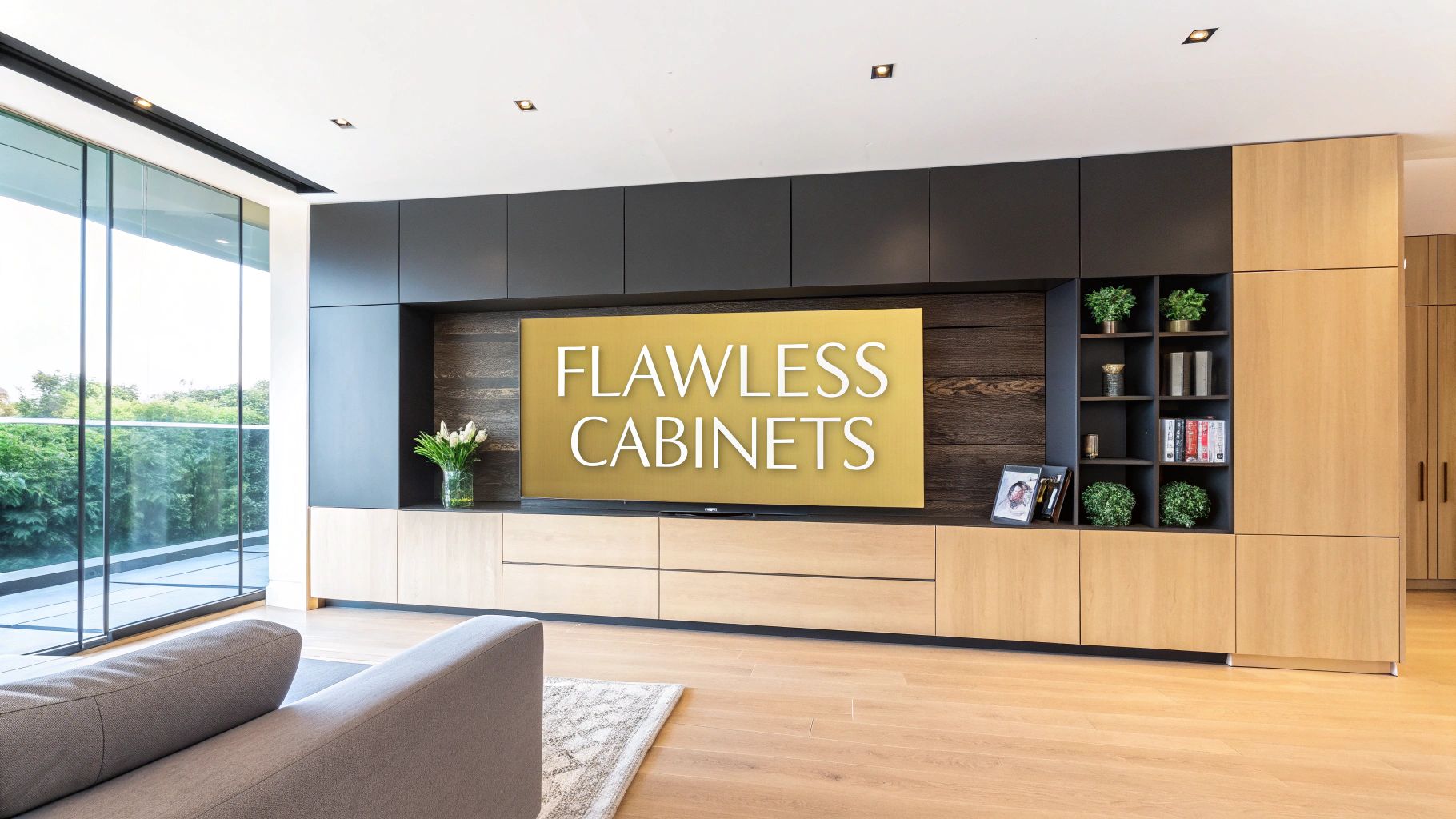
- Carpentry Finishes: A standard laminate finish is cost-effective. Premium finishes like Fenix laminates (anti-fingerprint) or wood veneers offer a more luxurious look but will increase the carpentry cost.
Workmanship is the invisible cost that defines quality. A perfectly aligned cabinet door or a seamless tile transition doesn’t happen by accident—it’s the result of skill, precision, and time, all of which are factored into the price.
Finally, design complexity matters. A simple, rectangular wardrobe is faster and cheaper to build than a custom L-shaped unit with integrated lighting and specialised compartments. The more detailed the design, the more skilled labour is required, which is reflected in the final cost of your renovation package for a BTO.
Standard vs Custom Packages: Which Is Right for You?

One of the first decisions you'll make is whether to opt for a standard package or a fully customised design. Each path suits different needs, budgets, and personalities. Making the right choice sets the stage for a successful renovation.
The Case for Standard Packages
Think of a standard renovation package for a BTO like a set menu. It offers a popular, proven combination of essentials at a clear price, simplifying the decision-making process. This route is ideal for first-time homeowners, busy professionals, or anyone with a straightforward vision.
Practical Example: We recently worked with a young couple, both doctors with demanding schedules. Their goal was a modern, functional home without the stress of countless decisions. A standard package provided quality essentials—kitchen carpentry, bedroom wardrobes, and basic electrical work—allowing them to move in on time and within budget. They appreciated the clarity and predictability.
Standard packages offer a streamlined path to a beautiful home. They are built on efficiency and popular design choices, making them a practical and reliable foundation for your new BTO flat.
The trade-off is limited flexibility. You'll choose from a curated selection of materials and layouts. If you want to hack a wall for an open-concept kitchen or design a unique carpentry feature, these will be quoted as additional costs outside the package.
The Freedom of a Custom Approach
A fully customised renovation is the à la carte experience. It gives you complete control over every detail, from the floor plan and materials to unique features. This approach is less about a pre-set list and more about a collaborative design journey.
This is the perfect fit for homeowners with a distinct vision or specific needs a standard package can't meet. For example, creating a child-safe home, a dedicated hobby room, or a home with specific accessibility features.
Practical Example: A family with young children needed more than standard carpentry. We designed a custom layout with a playroom featuring low, built-in storage, rounded the edges of all custom furniture for safety, and used highly durable, easy-to-clean surfaces throughout the home. Only a bespoke design could meet these specific functional requirements.
While design freedom is a major benefit, a custom route typically requires a larger budget and a longer timeline. The process is more involved, with detailed design consultations and material sourcing. The reward is a home that is uniquely yours.
To help you decide, here's a direct comparison.
Comparing Standard and Customised Renovation Packages
| Feature | Standard Package | Customised Package |
|---|---|---|
| Budget | Cost-effective with predictable pricing. Ideal for tighter budgets. | Higher investment required. Costs are variable based on scope and materials. |
| Timeline | Faster completion due to pre-defined scope and materials. | Longer timeline due to an in-depth design process and more complex work. |
| Flexibility | Limited. Choices are from a pre-selected range of materials and layouts. | Total creative freedom. Every detail can be tailored to your preferences. |
| Decision-Making | Simple and streamlined. Fewer choices reduce decision fatigue. | Highly involved. Requires significant input and collaboration from the homeowner. |
| Best For | Homeowners seeking convenience, speed, and budget certainty. | Homeowners with a unique vision, specific needs, or a desire for a one-of-a-kind home. |
So, what's the verdict? A renovation package for a BTO is a fantastic, value-driven foundation. But if your goal is a home that is a true extension of your personality and lifestyle, a custom approach is the better path. It all comes down to your priorities, budget, and vision.
Mapping Your BTO Renovation Timeline
You have the keys to your new BTO—congratulations! The next big question is, "How long until we can move in?" Understanding the renovation timeline is crucial for a smooth, stress-free process. A realistic schedule is your roadmap for coordinating furniture deliveries, movers, and other logistics.
Remember that physical work only begins after key collection. Given the 3 to 5 years it takes from application to this point, you've likely had time to save and plan. If you're still in the early stages, our guide on upcoming BTO projects and budgeting can be a useful resource.
Phase 1: The Design and Planning Stage
This is where your ideas become a concrete plan. Getting this stage right is critical for a smooth execution.
- Duration: 2 to 4 weeks
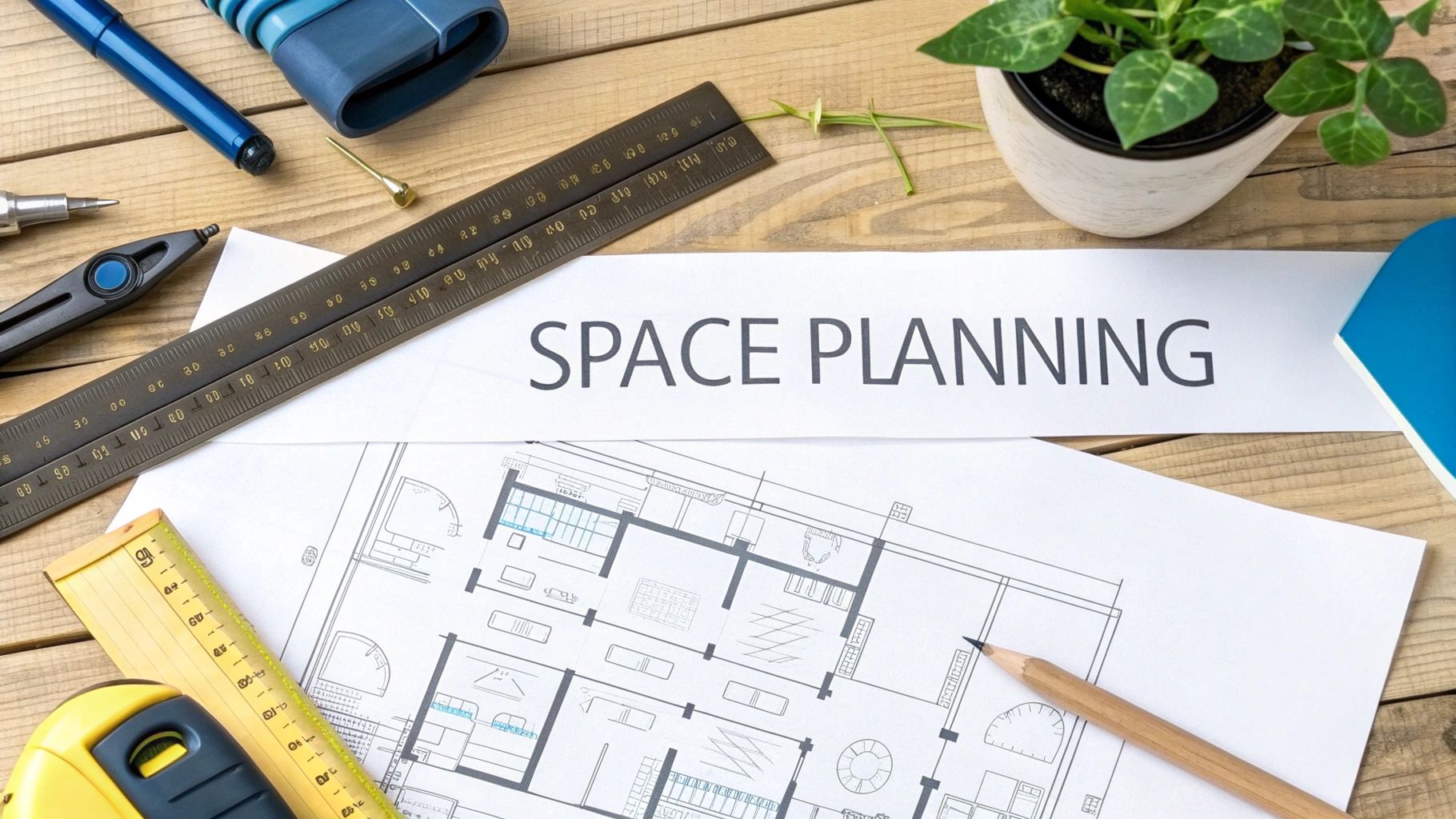
- Key Activities: We start with in-depth discussions about your lifestyle and needs. This moves into space planning, material selection, and creating 3D visualisations so you can see your future home. Once the design is finalised, we confirm the detailed quotation and contract.
Phase 2: Permits and Approvals
Before any work starts, we need official approval from the Housing & Development Board (HDB). This is mandatory for any work involving hacking, new plumbing, or significant electrical changes.
- Duration: 1 to 3 weeks
- Key Activities: Your interior designer prepares and submits all necessary technical drawings and documents to HDB. We handle this entire process. A complete submission usually gets approved promptly, but the timeline can vary. An experienced firm that understands HDB regulations can prevent unnecessary delays here.
Phase 3: Construction and Execution
With permits approved, the on-site work begins. This is where you see your home take shape.
- Hacking and Masonry (1–2 weeks): The first and dustiest step if you're changing the layout. This is followed by masonry work like building shower kerbs and cabinet bases.
- Electrical and Plumbing (1–2 weeks): Electricians and plumbers lay the essential groundwork, running wiring for new lights and sockets and pipes for sinks and showers.
- Carpentry and Painting (2–4 weeks): This is often the longest phase. Custom-built wardrobes and kitchen cabinets are fabricated off-site and then installed. Simultaneously, painters begin transforming the walls.
- Finishing Touches (1 week): The final week focuses on details: installing light fixtures, taps, and showerheads. We then conduct a thorough chemical wash and a defect check with you, walking through the entire home to ensure everything is perfect.
A realistic timeline isn’t just a schedule; it’s a commitment built on clear communication and smart planning. By anticipating potential hurdles like permit approvals or delays in material delivery, we can keep your project moving forward smoothly and get you into your new home on time.
How to Budget and Finance Your Renovation
A successful renovation is one that you love living in and that you could comfortably afford. Solid financial planning is the foundation of a stress-free project.
A common mistake is treating the quote for a renovation package for a BTO as the total cost. A realistic budget must also account for loose furniture, appliances, and a contingency fund.
The All-Important Contingency Fund
Renovations can have unexpected turns. You might need an extra power socket, or you might discover a premium countertop that you absolutely must have. A contingency fund provides a safety net for these situations.
We always advise clients to set aside an extra 10-15% of the total renovation cost. This buffer provides peace of mind, allowing you to handle unforeseen costs or make small upgrades without derailing your budget.
Financing Your BTO Renovation
Once you have a clear budget, the next step is financing. In Singapore, renovation loans and personal loans are the most common options.
A renovation loan is specifically for the work done by your interior design firm (carpentry, tiling, etc.). However, many homeowners find a personal loan more flexible. BTO renovation costs can range from SGD 30,000 for a simple 3-room flat to over SGD 90,000 for a highly customised home. A personal loan can be used for anything, including furniture, appliances, and smart home systems not covered by the main contract. For more details on financing options, you can explore resources on personal finance sites like MoneySmart.
Reading the Fine Print: Scrutinising Quotes and Hidden Costs
Always insist on a detailed, itemised quote. This document is your project's blueprint, breaking down every cost, from the price per foot of your kitchen cabinets to the fee for each new power point.
Be vigilant for costs that might not be immediately obvious:
- Haulage and Debris Disposal: Fees for clearing waste are often a separate line item.
- Chemical Washing: The final deep clean is essential but not always included in the main package.
- Material Upgrades: The quote specifies standard materials. Know what they are and ask for the cost to upgrade if desired.
- Electrical and Plumbing Extras: Understand the package limits and the per-item cost for any additional work.
Don't hesitate to ask questions. A trustworthy firm will gladly walk you through every detail to align the project with your budget. Good financial management makes the renovation an exciting journey, not a financial burden.
Picking the Right Interior Design Firm
Choosing an interior design firm is the most critical decision for your BTO renovation. This partnership shapes your entire experience. A great firm listens, offers expert guidance, and acts as a trusted partner to protect your investment.
Start by verifying that the firm is an HDB-registered contractor. This simple check ensures they are qualified and authorised to work on your flat, preventing major issues later.
Vetting Your Potential Partners
Once you have a shortlist, dive into their portfolios. Look specifically for BTO projects similar in size to your flat. A beautiful landed property renovation is impressive, but it doesn't demonstrate expertise in maximising space in a compact 4-room layout.
Next, read client reviews on independent platforms. Look for consistent feedback. Do clients praise their communication and project management? Or are there recurring complaints about missed deadlines or poor communication? A pattern of positive feedback is a strong indicator of reliability.
Think of the first consultation as a two-way interview. Are they actually listening to your ideas, or are they just trying to shoehorn you into a standard template? A true design partner works with you to polish your vision, not bulldoze over it.
From First Meeting to Final Contract
Come to the first meeting with your ideas, but also with an open mind. A good designer will ask probing questions about your lifestyle, daily routines, and long-term plans for the home. The conversation should feel collaborative and inspiring, not like a high-pressure sales pitch.
Before signing any documents, insist on a detailed contract. This is your project's rulebook. It must clearly state:
- A complete scope of work: Every detail, from carpentry measurements to the number of electrical points, must be in writing.
- A clear payment schedule: Payments should be tied to project milestones (e.g., completion of carpentry), not arbitrary dates.
- Material specifications: The contract must name the specific brands and models of materials being used.
- Contingency plans: It should outline how changes or unforeseen issues will be managed.
This level of detail protects both parties and sets the foundation for a transparent and successful renovation package for BTO experience.
Common BTO Renovation Package Questions
Navigating your first BTO renovation can feel overwhelming. Here are answers to some of the most common questions we hear from new homeowners.
How Long Does a Typical BTO Renovation Take?
For a standard 3-room or 4-room BTO flat, the on-site work typically takes 8 to 12 weeks. This timeframe starts after all HDB permits are approved and assumes no major delays.
The timeline can extend for a larger 5-room flat or for projects with complex custom designs and extensive carpentry. In these cases, it's wise to budget for 14 weeks or more. Clear communication with your interior designer is essential for keeping the project on track.
Are Appliances and Furniture Included in a Renovation Package?
The answer is almost always no. A BTO renovation package covers the "built-in" elements of your home—the fixed structures that make it functional.
What's typically covered:
- Carpentry: Kitchen cabinets, built-in wardrobes.
- Finishing Works: Flooring, painting, basic tiling.
- Essential Systems: Basic electrical and plumbing installation.
Items like your sofa, dining table, fridge, washing machine, and light fixtures are purchased separately. The renovation package creates the canvas; furniture and appliances are the final touches that reflect your personal style.
The purpose of a renovation package is to handle the foundational work. It’s about transforming the raw unit into a liveable home, leaving the final furnishing and styling touches to you.
What Are Common Hidden Costs to Watch Out For?
Even with a transparent package, some costs fall outside the main quote. Knowing these can prevent budget surprises.
Be prepared for potential extra charges for hauling away debris or a post-renovation chemical wash. Costs can also arise if you need more electrical points than the package provides or if you decide to upgrade materials, like switching from standard laminate to a quartz countertop.
Actionable Insight: The best way to avoid surprises is to ask your designer directly: "What costs are not included in this quotation?" A good firm will provide a clear and honest answer.
Ready to transform your BTO flat into the home you've always envisioned? At KIVO, we specialise in creating bespoke interiors that blend artisan excellence with your personal style. Visit us at kivo.com.sg to explore our portfolio and schedule a consultation.